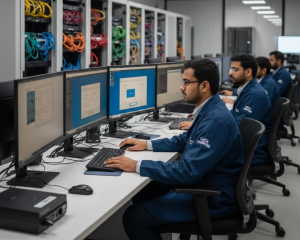
Understanding HR Analytics: Unlocking Insights for Workforce Success
Introduction to HR Analytics
The contemporary business landscape is increasingly data-driven, making it essential for organizations to harness insights from data to enhance their operations. One field that has grown significantly in this context is HR analytics, also known as personnel or workforce analytics. It involves the systematic collection, analysis, and reporting of human resources data to facilitate informed business decisions. As organizations strive to achieve strategic objectives, understanding how HR analytics can fuel performance becomes paramount.
What is HR Analytics?
HR analytics refers to the process of gathering and examining workforce data to make informed human resource decisions. This process encompasses various aspects of HR functions, from recruiting and hiring to employee engagement and retention strategies. By leveraging data, HR analytics enables organizations to identify trends, measure performance, and predict future workforce needs efficiently. Furthermore, it empowers HR professionals to develop data-driven strategies that align with overarching business goals.
The Importance of HR Analytics
The significance of HR analytics cannot be overstated. For starters, it provides empirical evidence that can complement or challenge assumptions about workforce dynamics. This shift from intuition-based decision-making to data-driven insights leads to better talent acquisition processes, improved employee retention rates, and increased overall productivity. Furthermore, HR analytics allows organizations to enhance their employee experience, fostering a culture of continuous improvement and engagement, which is critical in today’s competitive job market.
Key Components of HR Analytics
Understanding the key components that make up HR analytics is crucial for maximizing its effectiveness:
- Data Collection: This involves compiling accurate data from various sources, including HRIS, surveys, and performance management systems.
- Data Analysis: Skilled analysts interpret the collected data using statistical methods to derive actionable insights.
- Data Visualization: Properly visualizing data sets helps stakeholders easily grasp complex insights through graphs and dashboards.
- Reporting: Regular reports outline key metrics and trends, making it easier for decision-makers to assess the current workforce scenario and future forecasts.
Implementing HR Analytics in Organizations
Steps to Get Started with HR Analytics
Organizations looking to implement HR analytics should consider the following steps:
- Identify Objectives: Clearly define what insights the organization hopes to gain and which HR processes it aims to enhance.
- Data Sources: Identify and integrate all relevant data sources, including applicant tracking systems (ATS), employee engagement surveys, and performance metrics.
- Select Tools: Choose the right software that aligns with the analytics goals and offers necessary capabilities for analysis and reporting.
- Build Capabilities: Invest in training staff on data interpretation and analysis, ensuring they possess the skills to derive meaningful insights.
- Iterate and Improve: Continuously evaluate the outcomes from the analytics initiatives and refine the processes based on feedback and changing needs.
Data Sources for HR Analytics
Effective HR analytics relies on diverse data sources to provide a comprehensive view of workforce dynamics:
- Internal Databases: Employee records, performance reviews, and payroll data are basic yet crucial sources of information.
- Surveys: Employee surveys measuring satisfaction, engagement, and other qualitative factors provide insights that numbers alone cannot.
- Market Trends: Industry benchmarks and labor market data aid in contextualizing internal metrics against broader trends.
- Social Media: Evaluating employee sentiment on platforms can give insights into the organizational culture and employee engagement.
HR Analytics Software and Tools
Adopting the right software is vital to facilitate effective HR analytics. Several tools can streamline data collection, analysis, and visualization.
- Workday: A cloud-based software that provides analytics functionalities, allowing organizations to analyze their workforce in real-time.
- Vizier: An intuitive analytics platform tailored for HR, offering a deep dive into workforce data with advanced reporting capabilities.
- Tableau: A powerful data visualization tool that helps transform complex data into easily digestible dashboards.
- Google Analytics: While primarily a web analytics tool, it can track employee engagement across digital platforms.
Best Practices for Effective HR Analytics
Establishing Key Performance Indicators
Defining clear Key Performance Indicators (KPIs) is essential for evaluating the effectiveness of HR analytics initiatives. Common KPIs include:
- Time to Hire: Measures the number of days from job requisition to offer acceptance.
- Employee Turnover Rate: Indicates the percentage of employees leaving the organization within a specific timeframe.
- Employee Engagement Levels: Assesses how committed and motivated employees are towards their roles and the organization.
- Training and Development ROI: Evaluates the effectiveness of training programs in relation to performance improvement.
Integrating HR Analytics into Decision-Making
For HR analytics to genuinely impact the organization, it must be integrated into strategic decision-making processes. This means involving HR teams in discussions regarding business objectives and including their insights in leadership meetings. Furthermore, ensuring that HR analytics reports highlight actionable recommendations can lead to more data-driven decisions at the executive level.
Common Pitfalls in HR Analytics
Organizations may encounter several challenges when implementing HR analytics:
- Data Quality Issues: Inaccurate or outdated data can lead to misleading conclusions. Regular audits and validation of data sources can mitigate this risk.
- Lack of Skills: Insufficient analytical skills among HR personnel can hinder effective data interpretation. Continuous training programs can build these skills.
- Resistance to Change: Cultural resistance can impede the adoption of analytics-driven practices. Promoting a data-informed culture is crucial for overcoming such challenges.
Case Studies of Successful HR Analytics Usage
Examples of HR Analytics Driving Business Results
Many organizations have successfully leveraged HR analytics to achieve significant business outcomes:
A retail company utilized HR analytics to analyze hiring data, leading to a 25% reduction in time-to-fill positions and a notable increase in employee retention rates. Analysis revealed that new hires who went through a structured onboarding program had higher engagement scores and lower turnover rates.
Lessons Learned from HR Analytics Projects
Successful implementations of HR analytics yield valuable lessons. For instance, organizations that establish a cross-functional team for analytics initiatives tend to uncover deeper insights and facilitate broader acceptance of analytics across teams. Regular feedback loops also play a crucial role in continuous improvement.
Industry-Specific Applications of HR Analytics
HR analytics is not one-size-fits-all; different industries benefit from tailored analytics applications:
- Healthcare: Analyzing workforce data can improve patient care by ensuring proper staff levels and skill mix.
- Manufacturing: Analytics help determine optimal employee training needs, reducing errors and enhancing productivity.
- Technology: For tech companies, analyzing employee outputs can inform team compositions, maximizing project efficiencies.
The Future of HR Analytics
Emerging Trends in HR Analytics
As technology evolves, HR analytics will undergo significant transformations. Some emerging trends include:
- Artificial Intelligence: AI-driven analytics will provide predictive capabilities, allowing organizations to proactively address staffing needs and workplace issues.
- Real-time Data Analysis: The proliferation of cloud technology enables real-time data access, putting insights at the fingertips of HR professionals.
- Employee Well-Being Analytics: Organizations are increasingly focusing on analyzing employee well-being, recognizing that a healthy workplace directly correlates with productivity.
Innovations Shaping HR Analytics
Innovative technologies such as machine learning and advanced data visualization tools are set to redefine the HR analytics landscape. Companies are beginning to use chatbots in surveys to gather feedback, enhancing data collection efficiency. Moreover, blockchain technology holds potential for securing sensitive employee data while ensuring integrity in the analysis process.
Preparing for the Evolving Landscape of HR Analytics
Organizations will need to cultivate a culture that embraces data-driven decision-making to remain competitive. Upskilling HR professionals in analytical techniques, fostering collaborative environments, and maintaining a focus on emerging technologies will be essential in preparing for the future of HR analytics.
Frequently Asked Questions
What is the primary purpose of HR analytics?
HR analytics aims to improve human resource decision-making by turning data into actionable insights that can enhance workforce performance, engagement, and retention.
How can HR analytics improve employee retention?
By analyzing turnover data, organizations can identify trends, gain insights into the causes of attrition, and implement effective retention strategies tailored to employee needs.
What types of data are essential for HR analytics?
Essential data for HR analytics includes employee demographics, performance metrics, engagement survey results, time-to-hire, and turnover rates, among others.
Is HR analytics only for large organizations?
No, HR analytics can benefit organizations of all sizes. Small and medium-sized enterprises can leverage data to make informed HR decisions and optimize resources effectively.
What skills are necessary for effective HR analytics?
Key skills include statistical analysis, data interpretation, proficiency with data visualization tools, and an understanding of business operations and HR practices.