
The Definitive Guide to African American Cartoons: 2026’s Essential Picks
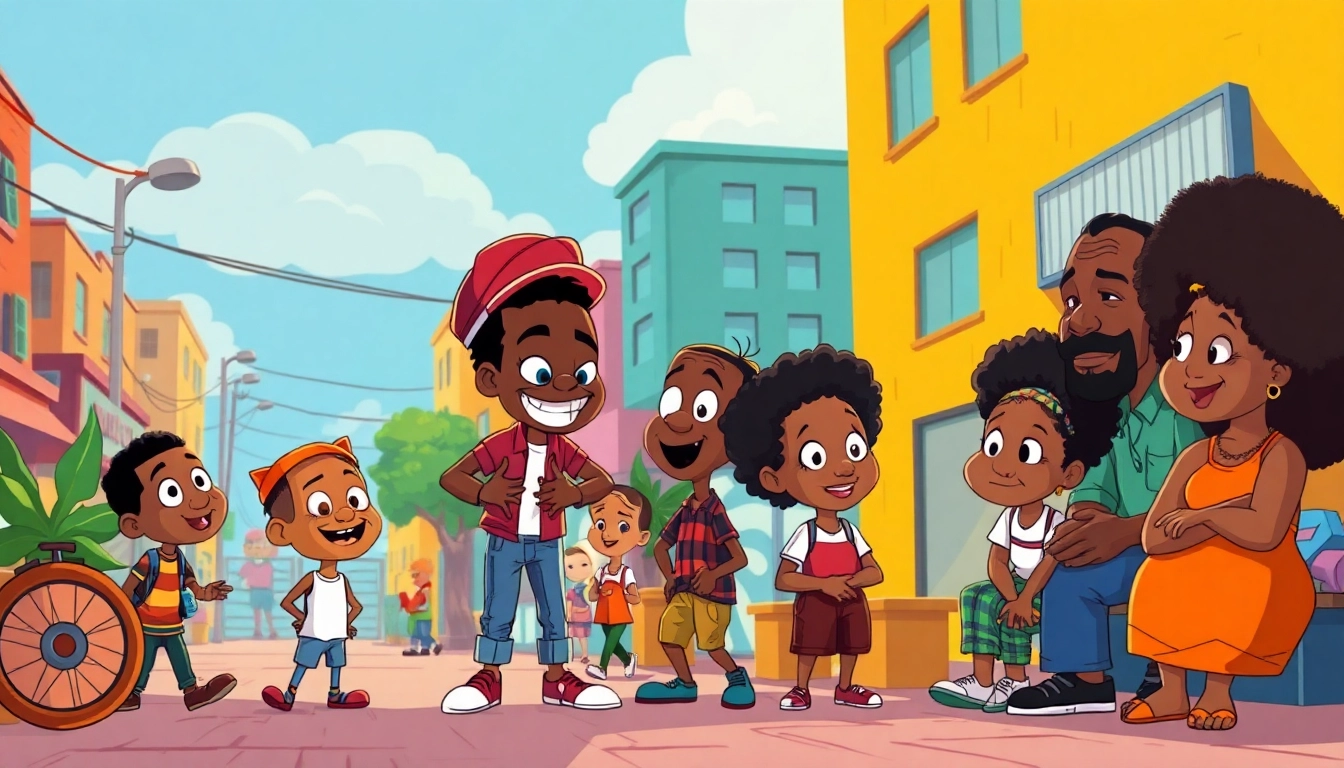
Understanding the Impact of African American Cartoons
In the vibrant world of animation, African American Cartoons hold a significant place, serving as pivotal representations of culture, identity, and community values. Over the decades, these cartoons have evolved from mere entertainment to powerful platforms that shape societal narratives and provide a voice for African American experiences. By exploring their historical context, cultural significance, and the impact of influential shows, we can appreciate the profound role these animated series play in both the entertainment industry and the broader cultural landscape.
Historical Context: Roots of Representation
The journey of African American representation in animation began in the early 20th century, with characters often depicted through stereotypes. Early examples, such as “Bimbo” and “Sambo,” highlighted the need for positive representation. It wasn’t until shows like “Fat Albert and the Cosby Kids” emerged in the 1970s that African American characters started to take on more nuanced and relatable roles. These shows marked a turning point, paving the way for future creators to explore authentic storytelling.
Influential Shows: Pioneers in Animation
Pioneering animated series, such as “The Boondocks” and “The Proud Family,” have made significant contributions to the landscape of African American cartoons. “The Boondocks,” created by Aaron McGruder, is renowned for its incisive social commentary and critical examination of race relations in America. Its characters, Huey and Riley Freeman, reflect the duality of African American youth navigating a complex cultural identity. Meanwhile, “The Proud Family” showcased a loving family dynamic, highlighting the everyday experiences of African American life and emphasizing the importance of community and family bonds.
Cultural Significance: Reflecting Identity and Community
African American cartoons serve as cultural artifacts, reflecting the unique experiences and stories of African Americans. They bring visibility to cultural practices, struggles, and triumphs, fostering a sense of pride and unity within the community. These shows also encourage dialogue surrounding race, identity, and equality, making them essential viewing not just for African Americans but for all audiences seeking to understand diverse perspectives.
Top African American Cartoons to Watch in 2026
As we delve into the current landscape of African American animation, a variety of new and classic shows continue to entertain and educate audiences. From beloved favorites that shaped the genre to fresh arrivals that push the boundaries of storytelling, there is something for everyone. Below are highlights of both classic and new series that you shouldn’t miss this year.
Classic Favorites: Timeless Shows We Love
- Fat Albert and the Cosby Kids: A classic that combines humor with life lessons aimed at African American youth.
- The Boondocks: Known for its satirical approach, it tackles complex themes with humor and depth.
- The Proud Family: A heartwarming portrayal of a young African American girl navigating family life and friendships.
New Arrivals: Fresh Titles Worth Your Attention
- Young Justice: While not exclusively an African American cartoon, it features diverse characters and deep storylines that resonate with a broad audience.
- Craig of the Creek: This series captures the essence of childhood adventures and friendships in a culturally rich environment.
- Motown Magic: An artistic representation of the 1960s Motown era, this show uses music and animation to celebrate African American culture.
Genre Trends: From Comedy to Adventure
The genres within African American cartoons continue to diversify. While comedy remains a strong component, adventure and fantasy elements are becoming more prevalent, allowing for creative storytelling that resonates with younger audiences. Titles like “The Dragon Prince” have begun incorporating diverse characters and narratives, appealing to a broader demographic while still paying homage to African American culture.
Character Highlights: Icons in Animation
African American cartoons feature a rich tapestry of characters, each offering unique stories and lessons. From beloved figures to emerging icons, these characters contribute to cultural representation in invaluable ways.
Beloved Characters: A Look at the Favorites
- Huey and Riley Freeman: Their contrasting personalities provide insight into the African American experience, addressing societal issues with humor.
- Penny Proud: A relatable protagonist who navigates the challenges of adolescence while embracing her cultural heritage.
- Frozone: From Pixar’s “The Incredibles,” Frozone represents a positive, heroic African American character in mainstream animation.
Female Representation: Celebrating Strong Female Leads
Strong female characters in African American cartoons signify a shift towards more empowering portrayals. Characters like Penny Proud and Doc McStuffins not only entertain but also inspire young girls to embrace their identities and pursue their dreams. By showcasing competence, intelligence, and resilience, these characters serve as role models for the next generation.
Crossover Appeal: Characters Beyond the Screen
Many characters from African American cartoons have transcended their original formats, appearing in various media and merchandise. This crossover appeal speaks to the cultural impact these characters have made. Shows like “The Proud Family” and “The Boondocks” have influenced not just animation but also fashion, music, and social consciousness, thereby embedding themselves into the fabric of American culture.
Creating Your Own African American Cartoons
For aspiring creators, the opportunity to contribute to African American animation is ripe with potential. By crafting authentic narratives that resonate with audiences, new voices can emerge in this dynamic field.
Storytelling Techniques: Crafting Authentic Narratives
Developing compelling stories begins with focusing on authentic experiences and perspectives. Incorporating elements of African American culture, history, and contemporary issues can create relatable characters and plots. Storytelling should not only entertain but also provoke thought and inspire change.
Animation Styles: Choosing the Right Visuals
The visual style of a cartoon can significantly impact its reception. From traditional hand-drawn animation to modern CGI, selecting the right animation technique is crucial. For example, “The Boondocks” employs a unique blend of realism and stylization that enhances its storytelling, while shows like “Motown Magic” embrace vibrant colors and character designs reflective of the era they depict.
Audience Engagement: Building Community Around Your Work
In today’s digital age, engaging with your audience is vital. Utilizing social media platforms and online communities can help creators gather feedback and foster a loyal fanbase. Hosting discussions about themes, character development, and cultural significance can create a sense of community, encouraging viewers to connect deeply with the content.
The Future of African American Cartoons
The future of African American animation is bright, with emerging trends and technological advancements on the horizon. As audiences demand more diverse and authentic content, the animation industry is evolving to meet these needs.
Emerging Trends: What to Expect in the Coming Years
Currently, there is a growing trend toward inclusivity and representation across all forms of media, including animation. We can expect to see more stories that center on African American experiences, both historical and contemporary. This shift not only reflects the audience’s desire for diversity but also encourages a deeper understanding of cultural narratives.
Technological Innovations: Enhancing Animation Quality
As technology continues to advance, the quality of animation improves significantly. Innovations in CGI, 3D modeling, and virtual reality are beginning to influence how stories are told and experienced. These technologies offer new avenues for African American creators to express their art, enhancing both visual appeal and narrative depth.
Global Influence: Expanding Beyond Borders
African American cartoons are finding appreciation beyond the borders of the United States, influencing global animation trends. As international audiences connect with these stories, there is an opportunity for collaboration and cross-cultural exchange, further enriching the landscape of animation worldwide.