
Enhancing Urban Connectivity Through Rail Systems
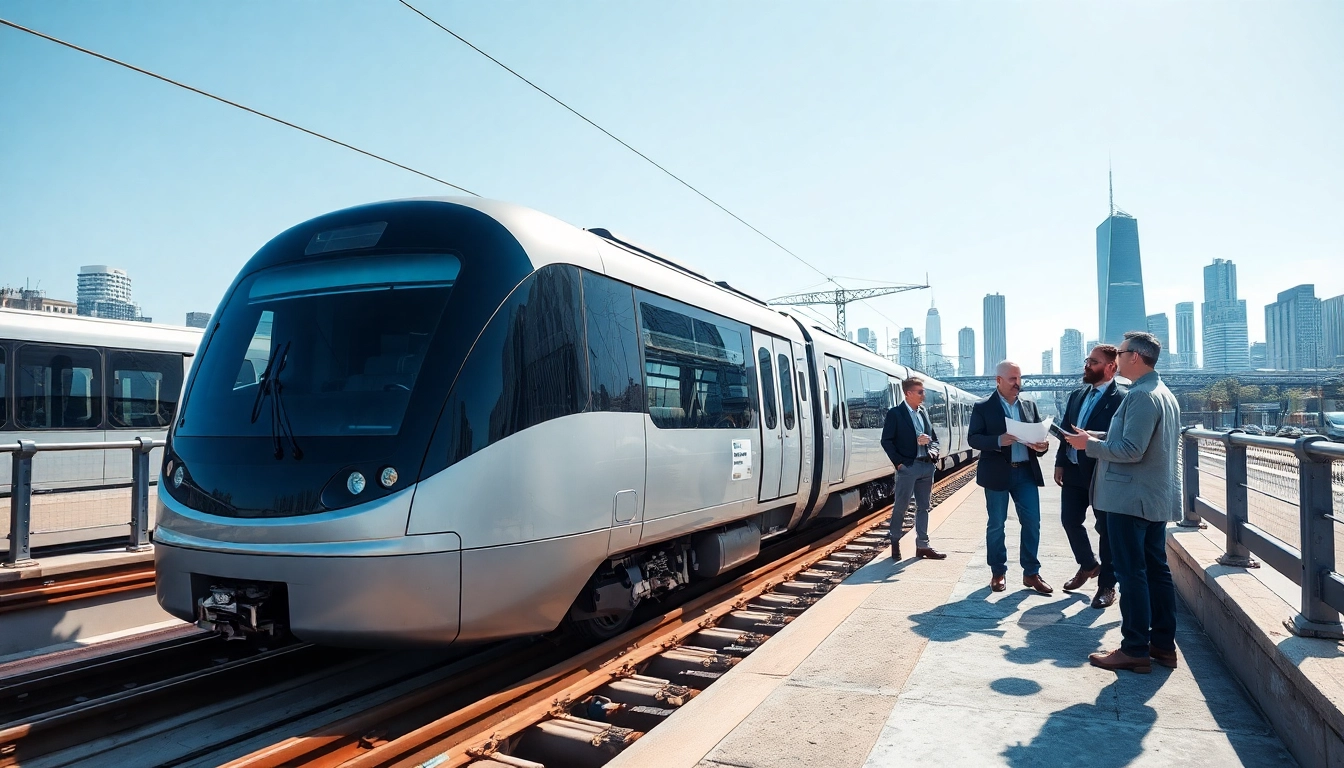
Understanding Rail Systems
Definition and Importance
Rail systems are a vital component of modern transportation infrastructure, enabling the movement of goods and people efficiently across both urban and rural landscapes. They consist of interconnected tracks and associated structures that facilitate the operation of trains, which are capable of transporting large volumes of cargo and passengers over considerable distances. The significance of rail systems extends beyond mere transportation; they are instrumental in fueling economic growth, reducing traffic congestion, and providing a sustainable alternative to road transport. With the increasing demand for efficient and environmentally friendly transit solutions, the adoption and modernization of rail systems have emerged as a focal point for governments and investors worldwide.
Types of Rail Systems
Rail systems can be categorized into several types, each tailored to meet specific transportation needs. The primary types include:
- Freight Rail Systems: Specialized for transporting goods, these systems are crucial for industries such as agriculture, mining, and manufacturing.
- Passenger Rail Systems: Designed to carry people, these systems include local commuter trains, intercity rail services, and high-speed trains.
- Light Rail Systems: Typically found in urban areas, light rail systems connect densely populated suburbs with city centers, offering a flexible and efficient alternative to buses.
- Metro Systems: Heavy rail systems that operate underground or on elevated tracks, metro systems are essential for handling high passenger volumes in urban environments.
Basic Components of Rail Systems
Understanding the basic components of rail systems is essential for appreciating their complexity and functionality. Key components include:
- Tracks: Comprised of rails, ties, and ballast, tracks provide a stable surface for trains to travel on.
- Rolling Stock: This includes locomotives and carriages—these are the vehicles that propel and transport passengers and cargo.
- Stations: Essential for boarding and alighting, stations vary in size and amenities, from simple platforms to expansive transit hubs.
- Signaling Systems: To manage train movements and ensure safety, signaling systems relay information about track conditions and train locations.
Advantages of Rail Systems
Environmental Benefits
Rail systems are known for their lower carbon footprint compared to road transportation. Trains can move a significant amount of freight or passengers while utilizing less energy per ton-mile or per passenger-mile. This efficiency translates to reduced greenhouse gas emissions, making rail systems an eco-friendly option. Furthermore, investments in electrified rail systems, powered by renewable energy sources, promise to enhance sustainability even further.
Economic Advantages
From an economic perspective, rail systems contribute to job creation, stimulate local economies, and promote trade. They offer various benefits, including lower transportation costs and decreased traffic congestion. Furthermore, the infrastructure associated with rail systems tends to have a long lifespan and requires less maintenance compared to roadways, leading to significant cost savings in the long term.
Social Impact
Rail systems play a critical role in enhancing social connectivity. They provide reliable transportation options for underserved communities, facilitate access to jobs, and support recreational travel. Furthermore, the development of rail systems can encourage urban growth and revitalization, contributing to more vibrant and accessible cities.
Innovations in Rail Systems
Technological Advancements
The rail industry has witnessed significant technological advancements aimed at improving efficiency, safety, and passenger experience. Developments like real-time tracking systems, automated train operations, and advanced signaling technology have revolutionized how rail systems operate. Moreover, innovations in propulsion systems, such as hydrogen and battery-powered trains, promise cleaner and more efficient alternatives for future rail travel.
Sustainable Practices
In response to global sustainability goals, rail systems are increasingly adopting sustainable practices. These include the implementation of noise reduction technologies, energy-efficient train designs, and environmentally-sensitive construction methods. Rail operators are also focusing on waste management strategies and green supply chain practices to minimize their environmental impact.
Safety Enhancements
Safety is paramount in rail systems, and ongoing innovations are significantly enhancing safety protocols. Technologies such as positive train control (PTC) help prevent collisions and derailments by automatically controlling train speeds and movements. Additionally, advancements in maintenance practices, such as drone inspections and predictive analytics, are improving infrastructure safety and reliability.
Challenges Facing Rail Systems
Funding and Investment Issues
Despite their advantages, rail systems often face funding and investment challenges. Securing adequate financial resources for infrastructure projects can be difficult due to competing priorities within government budgets and insufficient public-private partnerships. Developing innovative financing models that attract private investment is critical for the future sustainability of rail systems.
Infrastructure Maintenance
Maintaining existing infrastructure presents a significant challenge for many rail systems. Aging components can lead to service interruptions and safety hazards. A proactive approach to maintenance, utilizing technologies like predictive analytics, can enhance overall system reliability and reduce the costs associated with unexpected repairs.
Public Perception
Public perception of rail systems can sometimes hinder their use and development. Misconceptions about safety, reliability, and convenience often lead individuals to choose alternative modes of transportation. Effective public engagement and communication strategies are necessary to foster a positive perception of rail systems and highlight their advantages.
Future Trends in Rail Systems
High-Speed Rail Developments
The expansion of high-speed rail networks is one of the most exciting trends in modern rail systems. These services reduce travel time significantly, linking major metropolitan areas and enhancing mobility. As technological advancements make high-speed rail more economically viable, we can expect increased investment and expansion of these networks across various regions globally.
Integration with Smart Cities
As cities evolve into smart urban landscapes, the integration of rail systems with smart city initiatives presents a unique opportunity. This includes the incorporation of data analytics, real-time monitoring systems, and multimodal transportation options that seamlessly connect rail with other public transit solutions, thereby providing a more unified travel experience.
User-Centric Design
Future rail development is shifting toward user-centric design, focusing on enhancing passenger experience. Features such as Wi-Fi on trains, app-based ticketing, and improved accessibility for differently-abled travelers are becoming standard. By prioritizing user needs, rail systems can attract more passengers and encourage sustainable travel habits.
Frequently Asked Questions
What are the primary types of rail systems?
The main types of rail systems are freight, passenger, light rail, and metro systems, each serving distinct transportation needs.
How do rail systems benefit the environment?
Rail systems offer greater energy efficiency, resulting in lower greenhouse gas emissions compared to road transportation.
What innovations are being utilized in rail systems?
Innovations such as real-time monitoring, automated operations, and cleaner propulsion methods are enhancing efficiency and safety in rail systems.
What challenges do rail systems face?
Funding, infrastructure maintenance, and public perception are significant challenges that rail systems need to address for future growth.
How is user experience being improved in rail systems?
User-centric designs in rail systems emphasize enhancements like Wi-Fi access, mobile ticketing, and improved accessibility for passengers.