
Choosing the Perfect Ski Jackets for Your Winter Adventures
Understanding Ski Jackets: Types and Features
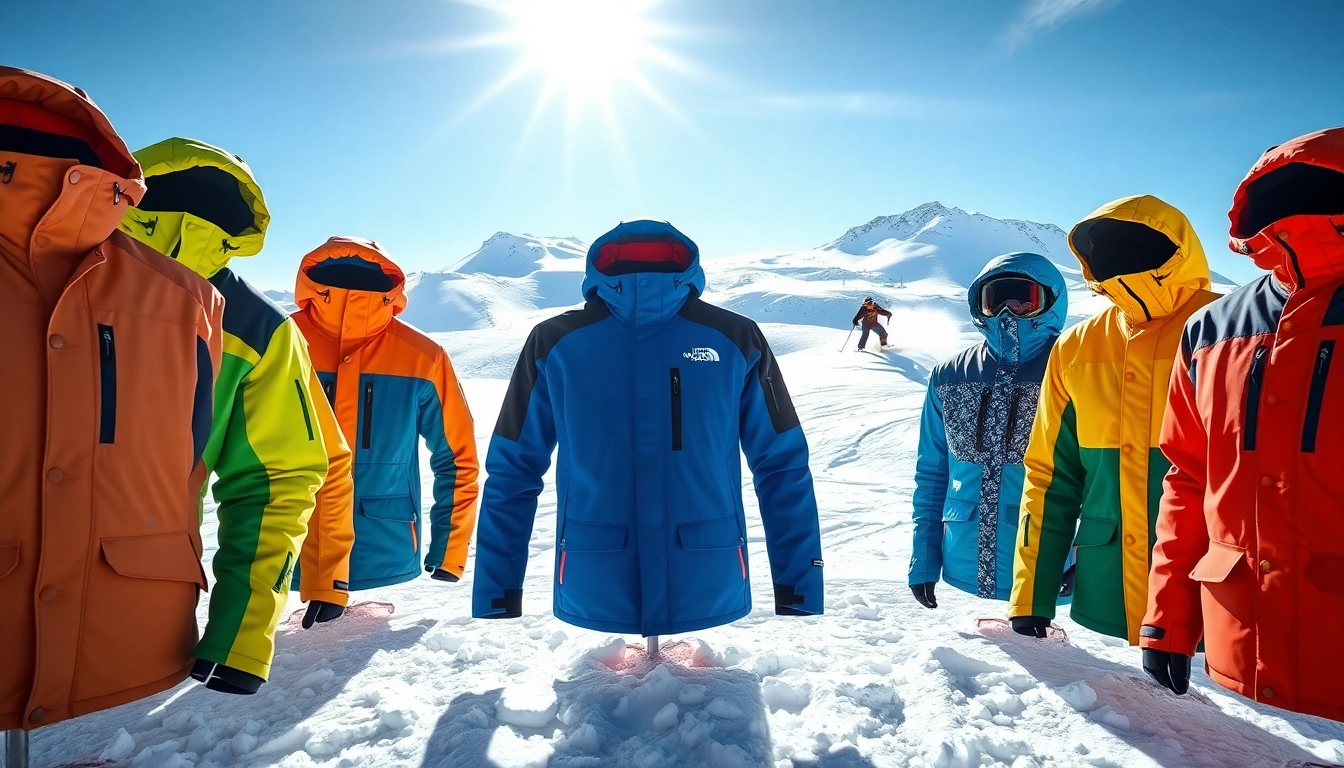
When preparing for a day on the slopes, a quality ski jackets is crucial. These jackets not only keep you warm but also help maintain proper body temperature and moisture control. Understanding the various types and features of ski jackets can significantly enhance your skiing experience. With advancements in technology and materials, today’s ski jackets are designed to meet specific needs, from casual skiers to backcountry enthusiasts.
Insulated vs. Shell Ski Jackets
Ski jackets can generally be categorized into two main types: insulated jackets and shell jackets. Each type offers distinct advantages, allowing skiers to choose based on their specific activities and weather conditions.
Insulated Jackets
Insulated ski jackets come with built-in insulation, typically made from synthetic materials or down. They provide excellent warmth and are ideal for colder conditions, making them suitable for skiers who prioritize comfort in frigid weather. The insulation traps body heat while maintaining breathability, which is vital for physical activity. Popular insulation types include polyester and down. While down offers superior warmth-to-weight ratios, synthetic insulation often performs better in wet conditions.
Shell Jackets
Shell jackets, on the other hand, are lightweight and designed primarily for weather protection. They feature waterproof and windproof materials but lack insulation. This design makes them versatile for layering, allowing skiers to customize their warmth by adding insulation layers underneath. Shells are suitable for warmer weather or active skiers who generate a lot of body heat, as they tend to provide better moisture management compared to insulated jackets.
Key Features of Quality Ski Jackets
A good ski jacket encompasses several essential features that enhance protection, comfort, and functionality. Here are the key factors to look for:
Waterproofing
Waterproofing is paramount in ski jackets to ensure dryness during wet conditions. Look for jackets with a high waterproof rating, typically measured in millimeters. A rating of 10,000 mm or higher is generally recommended for skiing.
Breathability
Breathability is another critical factor, as it helps regulate body temperature and manage moisture. Jackets with a breathability rating of 10,000 g/m² or more allow sweat to escape while preventing rain or snow from penetrating.
Ventilation
Many ski jackets feature ventilation zippers, which allow for additional airflow. This feature is incredibly useful when skiing in varying temperatures, providing adaptability while on the slopes.
Seam Sealing
Fully taped seams prevent water from seeping through the jacket’s stitching. Quality seam sealing can make a significant difference in your overall warmth and dryness.
Adjustable Features
Adjustable cuffs, hoods, and hems help to seal out cold air and snow. These customizable features enhance comfort and allow for a tailored fit.
Materials Used in Ski Jackets
The choice of material plays a vital role in the performance of ski jackets. Here are some common materials used:
GORE-TEX
GORE-TEX is one of the most recognized waterproof materials. It offers exceptional breathability and durability, making it a popular choice for high-performance ski jackets.
Nationally Produced Fabrics
Many brands produce proprietary synthetic fabrics that are both waterproof and breathable. These materials often offer a variety of features, including stretch capabilities and lighter weights for comfort and mobility.
Insulation Materials
As mentioned earlier, insulation can be obtained from synthetic fibers or down. Synthetic insulation is typically less expensive and retains warmth better when wet, whereas down insulation boasts superior warmth but requires careful maintenance.
How to Choose the Right Ski Jacket
Selecting the appropriate ski jacket involves considering several factors that cater to individual needs. Here’s a detailed exploration of what to keep in mind:
Factors to Consider When Buying
When purchasing ski jackets, consider the following:
Climate and Terrain
Are you skiing in cold mountain resorts or milder, wet areas? Determine the conditions you will face to choose the right insulation and features. In typical cold, dry climates, an insulated jacket may suffice, while a shell might serve better in warmer or wetter conditions.
Activity Level
If you plan to engage in intense skiing, a breathable shell jacket may be ideal. Conversely, choose an insulated jacket if you want to primarily enjoy leisurely skiing in cold temperatures.
Style and Fit
Different jackets come with various styles and fits. Select one that complements your skiing style and provides a comfortable fit for layering without feeling restrictive.
Fit and Comfort: What to Look For
A well-fitted ski jacket is crucial for comfort during long hours on the slopes. Here’s how to ensure the best fit:
Layering Considerations
Try on the jacket with the layers you intend to wear underneath. Ensure you can move freely without restrictions, and the sleeves are long enough to extend comfortably while reaching overhead.
Mobility Features
Look for articulated sleeves and a flexible design that allows full arm movement. A jacket with a longer back can prevent snow from entering during falls.
Price vs. Value in Ski Jackets
While ski jackets come in a range of prices, consider the value they provide rather than solely focusing on cost. Here are some insights:
Investment for Comfort and Durability
Higher-priced jackets often feature advanced materials and technologies, offering better insulation, waterproofing, and breathability. Consider this an investment in your performance and comfort.
Budget-Friendly Options
Many brands offer budget-friendly options that provide essential features at a lower price. Assess what features you prioritize and seek out reputable brands known for quality materials, even in their more affordable product lines.
Caring for Your Ski Jackets
To maximize the lifespan of your ski jackets, proper care and maintenance are essential. Here are crucial tips:
Cleaning and Maintenance Tips
Regular cleaning of ski jackets can help maintain their performance. Here’s how:
Washing Instructions
Most ski jackets are machine washable, but always check the care label first. Use a gentle cycle with cold water and a mild detergent designed for technical fabrics. Avoid fabric softeners, as they can impair waterproofing.
Drying Techniques
Air drying is usually the best option. If you opt to use a dryer, use low heat and include dryer balls to fluff insulation.
Storing Your Ski Jackets Properly
Proper storage can prevent damage over the off-season. Here are a few tips:
Storage Location
Store your jackets in a cool, dry place away from direct sunlight. This helps to prevent fading and degrading of materials.
Prolonged Storage Precautions
Consider using a breathable garment bag rather than plastic to avoid trapping moisture and causing mildew.
Repairing Minor Damages
Minor damages such as small tears or broken zippers can often be repaired at home:
Quick Fixes
Use fabric patches or tenacious tape for small rips. Learn basic sewing techniques for zipper replacements to extend the life of your jacket.
Tips for Staying Warm on the Slopes
Regardless of the type of ski jackets you choose, staying warm is crucial to enjoying your skiing experience. Here are expert tips to achieve this:
How Ski Jackets Work with Layers
Layering is an essential strategy for regulating body temperature while skiing:
Base Layer
A moisture-wicking base layer helps keep you dry by drawing sweat away from your skin. Look for materials like merino wool or synthetic fabrics.
Insulating Layer
An insulating layer, such as fleece or down, provides warmth. Choose one that fits snugly but allows for movement.
Outer Layer
Your ski jacket serves as the outer layer to cut wind and prevent moisture from penetrating, ensuring you stay warm and dry.
Accessories that Complement Ski Jackets
Add extra warmth and protection with the right accessories:
Hats and Headgear
A warm hat or helmet liner is necessary, as heat escapes from your head. Quality ski helmets also offer protection while providing warmth.
Gloves and Mittens
Invest in waterproof gloves or mittens with thermal insulation. Look for options with gaiters or cuffs that overlap your jacket sleeves.
Choosing Non-Insulated vs. Insulated Layers
Understanding the difference between non-insulated and insulated layers is vital:
Non-Insulated Layers
Non-insulated layers are typically breathable and can be used in warmer conditions or when engaging in high-intensity activities.
Insulated Layers
Insulated layers retain heat and should be worn in colder conditions or when less activity reduces body heat.
Top Ski Jacket Brands to Consider
While a myriad of brands create high-quality ski jackets, knowing what each brand offers helps in making informed decisions. Here’s a look at what to consider:
Innovative Technologies in Leading Brands
Many brands utilize cutting-edge technology, which enhances the experience:
Advanced Fabrics
Look for ski jackets made with advanced fabrics that increase performance and durability. Many brands invest in R&D to ensure their products can withstand extreme conditions.
Sustainability Initiatives
More brands are focusing on eco-friendly materials and processes, appealing to environmentally conscious consumers without sacrificing quality.
Budget-Friendly Options Available
For those on a budget, there are still quality options:
Quality and Affordability
As mentioned earlier, many reputable brands offer budget models that still maintain essential waterproofing, breathability, and comfort without breaking the bank.
Luxury Ski Jackets and What They Offer
Luxury ski jackets provide premium benefits, albeit at a higher price point:
Top-Notch Materials
Luxury options often utilize the finest materials available, providing supreme warmth, comfort, and waterproofing.
Personalized Design
Many luxury brands also offer customizable options for fit and design, catering to individual preferences.
Frequently Asked Questions
1. What are the best jackets for skiing?
The best ski jackets are typically insulated options for cold weather or breathable shell jackets for warmer conditions. Personal preferences regarding activity level and climate should guide your choice.
2. How should I care for my ski jacket?
Regular washing with gentle detergent and air drying are recommended. Avoid fabric softeners, which can compromise waterproofing. Store it in a cool, dry place to maintain its longevity.
3. What’s the difference between ski jackets and winter jackets?
Ski jackets are designed specifically for skiing, featuring waterproofing, breathability, and mobility designed for activity, while winter jackets may lack these specialized traits.
4. How do I know which insulation to choose?
Consider your skiing habit. If you prefer warmer conditions, synthetic insulation that maintains warmth when wet may be better. Down insulation is warmer but usually requires dryer conditions.
5. Can I wear a ski jacket for other activities?
While ski jackets are versatile, they may not be suitable for all activities. Ensure they meet the specific requirements of the activity in terms of insulation, waterproofing, and breathability.