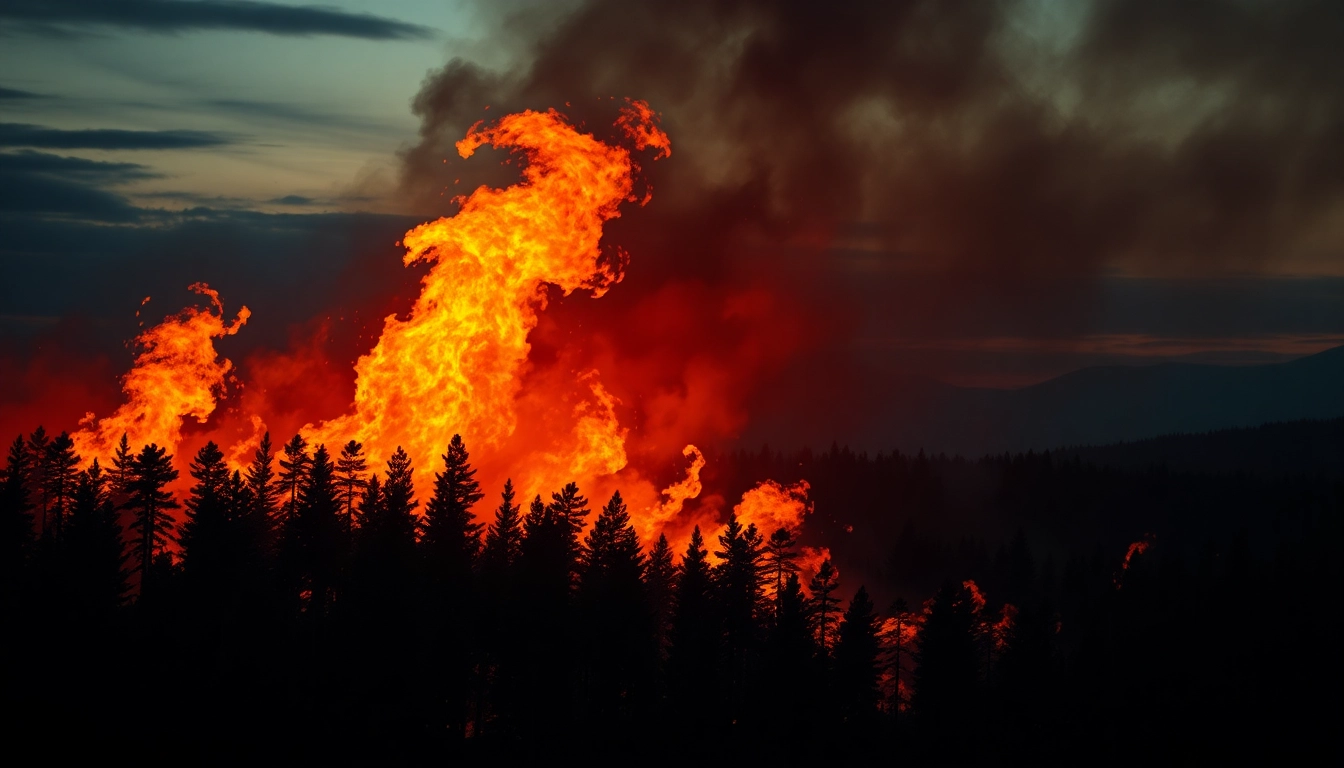
Overview of Wildfire Events
Wildfires represent a significant environmental challenge, affecting ecosystems and human settlements across the globe. As climate change intensifies, the frequency and intensity of these Wildfire events continue to rise, bringing urgency to the need for improved understanding and management practices. This article provides an in-depth examination of wildfires, from their causes and impact to strategies for prevention and preparedness.
What Constitutes a Wildfire Event?
A wildfire event refers to any uncontrolled fire occurring on undeveloped land or vegetation areas, typically requiring external assistance for suppression. Wildfires can vary widely in size, intensity, and behavior, manifesting as brush fires, forest fires, or even grassland fires. The definition encompasses both natural occurrences, spurred by events like lightning strikes, and human-induced fires initiated by activities such as arson or careless campfires.
Common Causes of Wildfire Events
Understanding the causes of wildfire events is crucial in devising effective prevention strategies. The primary causes can be grouped into two categories: natural and anthropogenic.
Natural Causes
- Lightning: A major natural trigger, lightning strikes can ignite dry vegetation, providing suitable conditions for wildfires.
- Drought: Extended periods of dry weather can desiccate plant life, making them more susceptible to ignition.
- Spontaneous Combustion: In specific conditions, organic materials in landfills or forest floors can heat up and ignite without an external flame.
Human Activities
- Campfires: Unattended or mismanaged campfires can lead to widespread destruction.
- Agricultural Burning: While often a controlled act, escaping burns can cause unmanageable wildfires.
- Arson: Deliberate setting of fires remains a significant cause of wildfires.
Geographical Impact of Wildfire Events
The geographical distribution of wildfire events is heavily influenced by climate, vegetation, and topography. Regions with Mediterranean climates, such as California and parts of Australia, experience a higher incidence of wildfires due to hot, dry summers and seasonal winds. Additionally, the presence of combustible vegetation plays a pivotal role, where forests, grasslands, and scrublands are more prone to fire outbreaks. Understanding these geographical patterns is essential for timely interventions and resource allocation during wildfire seasons.
The Ecological Role of Wildfire Events
While often seen as a destructive force, wildfires play an integral role in maintaining healthy ecosystems.
Positive Effects on Ecosystems
Wildfires contribute to ecological diversity in several ways. They can:
- Renew Plant Communities: Certain plant species depend on fire for germination, ensuring that ecosystems can regenerate post-fire.
- Reduce Pest Populations: Wildfires can help control insects and pathogens that may threaten vegetation health.
- Promote Nutrient Recycling: Fires can enhance soil fertility by releasing nutrients trapped in dead plant matter back into the ground.
Challenges for Wildlife
Despite their ecological benefits, wildfires also pose challenges for wildlife, including habitat destruction and disruption of food chains. Many species are at risk during severe wildfires, especially those that cannot escape quickly or those dependent on specific vegetation types.
Long-term Implications of Wildfire Events
The aftermath of wildfire events can have long-lasting effects on ecosystems. Recovery can take decades, and in some cases, unique habitats may never fully regenerate. This alteration can impact biodiversity and push vulnerable species towards extinction. Moreover, land management practices need to adapt continuously to maintain ecological balance post-wildfire.
Wildfire Events and Climate Change
The intersection of wildfire events and climate change is a critical area of study as rising temperatures and fluctuating weather patterns largely influence fire behavior and frequency.
How Climate Change Influences Wildfire Events
Climate change exacerbates conditions conducive to wildfires through increased temperatures and altered precipitation patterns. Areas that previously experienced limited fire activity may face unprecedented fire risks. The longer fire seasons and intensified drought conditions create a perfect storm for devastating wildfires to ignite.
Rising Trends in Wildfire Events
Recent studies indicate a rising trend in the frequency and severity of wildfire events globally. These trends are alarming, showing not only a higher incidence of wildfires but also an increase in the size and destructiveness of fires. A combination of land management practices, climate change, and human activity is at the heart of this escalation.
Adaptive Strategies for a Changing Climate
To counter the growing threat of wildfires, adaptive strategies must be implemented. These include:
- Enhanced Early Detection: Utilizing advanced technology, such as drones and satellite imagery, can greatly improve early detection of wildfires.
- Community-Based Management: Engaging communities in fire risk assessment and management can lead to more resilient strategies tailored to local conditions.
- Restoration Efforts: Post-fire, reforestation and habitat restoration can help rejuvenate ecosystems and mitigate future fire risks.
Prevention and Management of Wildfire Events
Proactive measures are essential for preventing uncontrolled wildfires and effectively managing those that do occur.
Effective Fire Prevention Strategies
Implementing effective fire prevention strategies can significantly reduce the risk of wildfires. Key strategies include:
- Creating Defensible Space: Land management practices should focus on clearing flammable vegetation near residential areas.
- Conducting Controlled Burns: Prescribed fires can reduce the buildup of hazardous fuels in forested areas.
- Public Awareness Campaigns: Education about fire safety is crucial in minimizing human-induced fires.
Technological Advancements in Fire Management
The integration of technology in fire management practices offers a promising pathway to enhancing safety and efficiency.
- Real-Time Data Collection: Tools such as GPS and remote sensing allow for real-time monitoring of fire behavior and spread.
- Predictive Modeling: Advanced simulation models help anticipate fire behavior, aiding both management strategies and public safety readiness.
- Health Monitoring Systems: Tracking air quality and effects on human health during wildfires helps mitigate public health impacts.
Community Involvement in Wildfire Events Prevention
Community involvement is vital in wildfire prevention efforts. This can manifest through community action initiatives, volunteer fire departments, and educational programs aimed at increasing awareness of wildfire risks and prevention measures.
Preparing for Future Wildfire Events
Preparation is key in ensuring that communities can effectively respond to wildfires and minimize their impact.
Emergency Preparedness Plans
Developing comprehensive emergency preparedness plans is critical. Such plans should include evacuation routes, emergency contacts, and protocols for communication during wildfires. Regular drills and community meetings can enhance readiness and create a culture of preparedness.
Equipment and Resources for Wildfire Response
Ensuring that adequate resources and equipment are available for firefighting efforts can significantly reduce response time and prevent widespread damage. This includes firefighting gear, hydration supplies for crews, and communication devices.
Education and Awareness in Communities
Ongoing education in communities about wildfire prevention and preparedness can make a profound difference. Awareness campaigns can significantly improve community resilience, encouraging individuals to adopt fire-safe practices and increasing involvement in local fire prevention initiatives.
FAQs About Wildfire Events
1. What is a wildfire event?
A wildfire event is any uncontrolled fire on undeveloped land that often requires fire suppression efforts. They can be caused by natural or human activities.
2. How can we prevent wildfire events?
Wildfire prevention involves creating defensible spaces around properties, conducting controlled burns, and promoting public education on fire safety.
3. What are the environmental effects of wildfires?
Wildfires can activate new growth in ecosystems, recycle nutrients, but can also lead to habitat destruction and biodiversity loss if severe.
4. How does climate change affect wildfires?
Climate change leads to increased temperatures and prolonged dry spells, enhancing conditions for wildfires to ignite and spread.
5. What should communities do to prepare for wildfires?
Communities should develop emergency preparedness plans, engage in public awareness campaigns, and ensure availability of firefighting resources for effective response.