What is a HEPA Filter?
Definition and Functionality
A High-Efficiency Particulate Air (HEPA) filter is a type of air filter recognized for its ability to trap a large proportion of very small particles. To qualify as a HEPA filter, it must meet specific standards defined by the U.S. Department of Energy (DOE). Primarily, a true HEPA filter can remove at least 99.97% of particles that are 0.3 microns in size. This makes them incredibly efficient for purifying air, which is essential in both residential and industrial settings.
Types of HEPA Filters
HEPA filters come in various types designed to address different needs:
- True HEPA Filters: These are the highest-rated filters, capturing at least 99.97% of 0.3-micron particles.
- HEPA Type Filters: These filters may not meet the strict standards of true HEPA filters but can still be effective for specific applications.
- ULPA Filters: Ultra-Low Penetration Air filters are even more efficient than HEPA filters and can capture 99.999% of particles, making them suitable for critical environments.
Importance in Air Quality Management
Using a HEPA filter is pivotal in maintaining good indoor air quality, especially for individuals with allergies or respiratory issues. These filters help reduce airborne contaminants, which can include dust mites, pollen, pet dander, mold spores, and smoke particles. Implementing hepa filter technology in HVAC systems or air purifiers can significantly contribute to a healthier living or working environment.
How HEPA Filters Work
Filtration Mechanism Explained
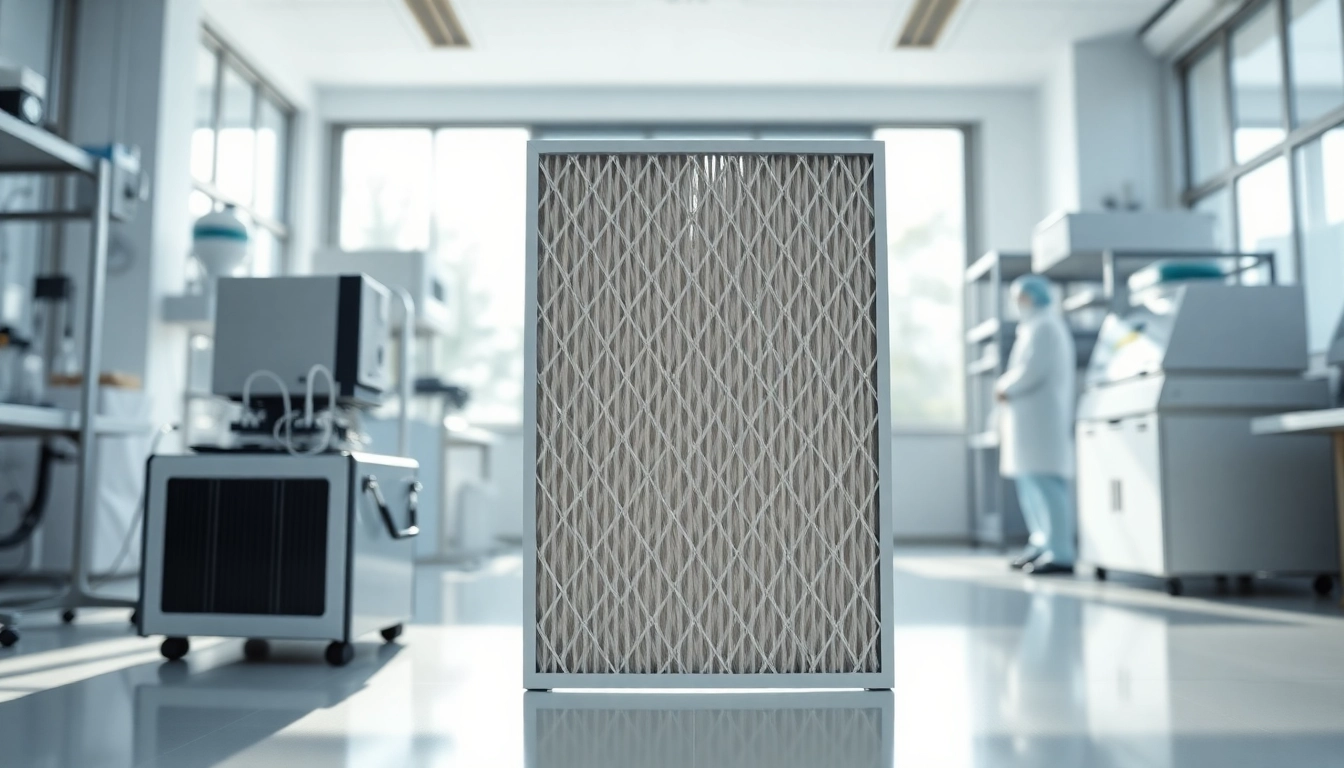
HEPA filters utilize a combination of the physical mechanisms of interception, inertial impaction, and diffusion to capture particles. When air flows through the filter, larger particles collide with fibers and get trapped, while smaller particles either stick to the fibers or become trapped in the maze-like structure of the filter. This three-pronged approach ensures a highly efficient filtration process that outperforms traditional filters.
Materials Used in HEPA Filters
Typically, HEPA filters are made using fiberglass, which is meticulously arranged into a mat. This mat features a web of densely packed fibers, usually treated with substances to enhance filtration efficiency and limit the growth of mold and bacteria on the filter surface. Some HEPA filters may also include activated carbon layers to absorb odors and volatile organic compounds (VOCs).
Impact on Health and Allergens
HEPA filters contribute greatly to health by minimizing exposure to airborne allergens and pollutants. For those suffering from asthma or allergic reactions, HEPA filters can help alleviate symptoms by significantly reducing the levels of irritants in the air. Studies demonstrate that the use of HEPA filters can lead to improved respiratory health outcomes, making them an essential component in environments such as homes, schools, and hospitals.
Applications of HEPA Filters
Household Use in HVAC Systems
In residential settings, HEPA filters are commonly used in HVAC systems and air purifiers. Their ability to trap dust, pollen, and other allergens makes them ideal for maintaining air quality within the home. Regularly replacing HEPA filters in these systems helps ensure optimal performance and longevity, resulting in cleaner, healthier indoor air.
Commercial and Industrial Applications
HEPA filters are integral in various commercial and industrial settings. Factories, warehouses, and office buildings utilize HEPA filtration systems to enhance air quality, focusing especially on environments that require stringent cleanliness standards. Industries such as pharmaceuticals, electronics manufacturing, and food processing frequently implement HEPA filters to meet health and safety regulations.
Use in Medical and Laboratory Settings
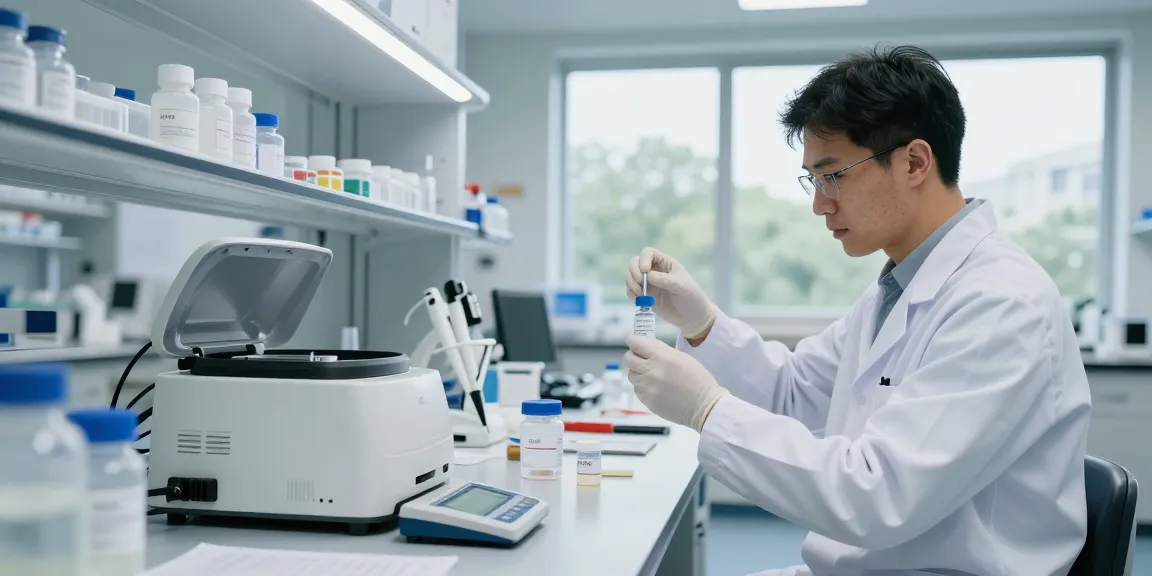
In medical and laboratory environments, HEPA filters play a critical role in infection control and maintaining sterile conditions. Hospitals employ HEPA filtration in operating rooms and isolation wards to mitigate airborne pathogens. Similarly, laboratories rely on HEPA filters to ensure contaminants do not compromise sensitive experiments, enhancing the integrity of research and clinical work.
Choosing the Right HEPA Filter
Key Features to Consider
Selecting the right HEPA filter involves considering several factors, including:
- Particle Size Efficiency: Confirm that the filter meets the 99.97% efficiency standard for particles of 0.3 microns before purchasing.
- Airflow Resistance: Filters should have a balance between low airflow resistance and effective filtration capabilities.
- Compatibility: Ensure that the filter fits the specific HVAC or air purifier unit.
- Moisture Resistance: Some environments may require filters treated to resist mold and other contaminants.
Brand Comparisons and Recommendations
There are numerous brands in the HEPA filter market, each offering different strengths and weaknesses. Popular brands like Honeywell, Dyson, and 3M provide a variety of options tailored for various applications. Researching customer reviews and comparing product specifications can help narrow down choices.
Maintenance and Replacement Tips
To maintain optimum filtration efficiency, regular maintenance is crucial. Here are some key tips:
- Check filters monthly to see if they require replacement based on usage and manufacturer's recommendations.
- Keep the area surrounding the filter or HVAC unit clear of debris to ensure unobstructed airflow.
- Dust or clean the filter housing as needed to improve overall performance.
Regulations and Standards for HEPA Filters
Industry Standards Explained
HEPA filters are subject to various regulations and standards that dictate their performance claims. The DOE sets the strict certification criteria that a HEPA filter must meet to be labeled as such in the United States. Understanding these regulations is vital for purchasing filters for compliance in sensitive environments.
Certification Processes
There are several organizations involved in testing and certifying HEPA filters, including the American Society for Testing and Materials (ASTM) and the National Institute for Occupational Safety and Health (NIOSH). Before purchasing, checking for certification marks ensures that the filter meeting performance standards for both residential and commercial applications.
Future Trends in HEPA Filtration Technology
As the need for cleaner air becomes increasingly urgent, advancements in HEPA filtration technology are ongoing. Innovations include the development of smart filters equipped with sensors that alert users when replacements are necessary. Additionally, there is a growing shift towards integrating HEPA filtration with other types of air purification technologies, such as UV-C light, to enhance overall effectiveness in removing pathogens.