
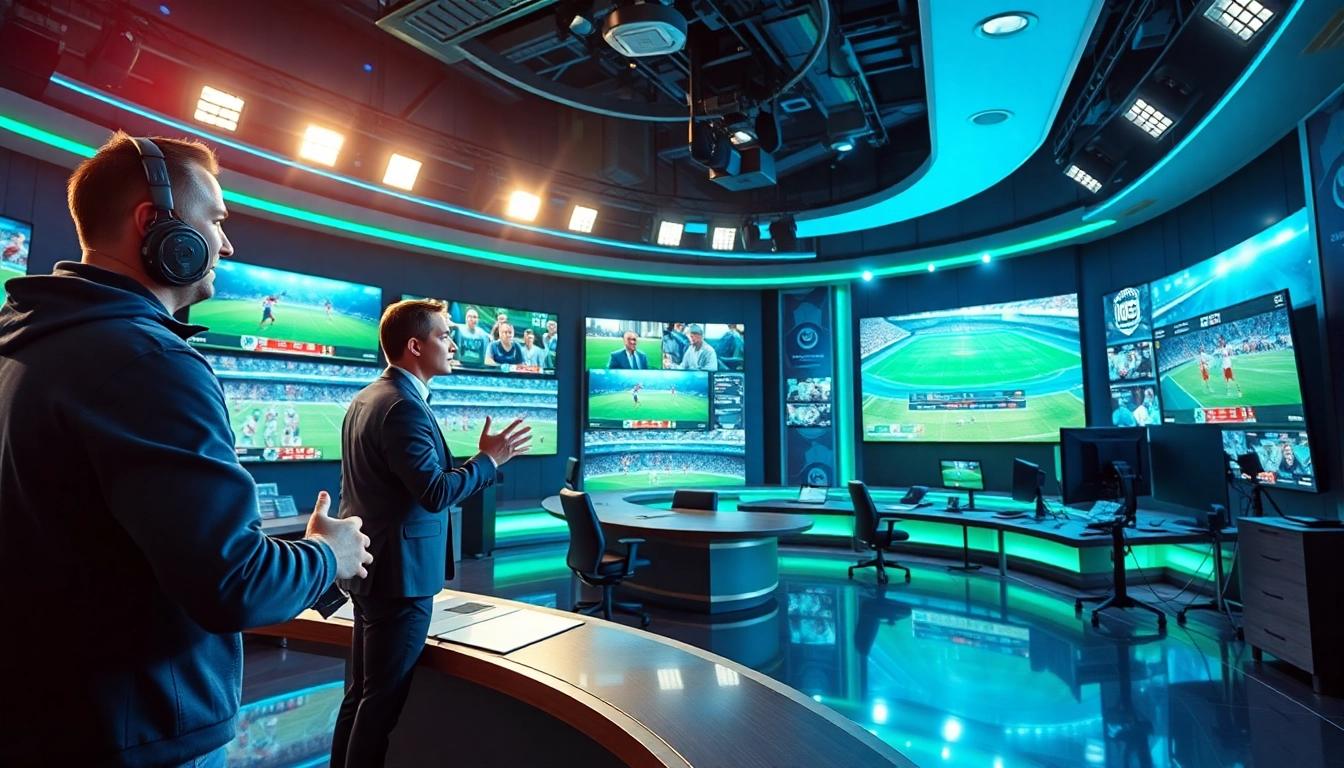
The Evolution of Sports Broadcasting
Sports broadcasting has undergone a remarkable transformation since its inception. From the rudimentary radio broadcasts of the early 1920s to today’s immersive multimedia experiences, the industry has continually adapted to technological advancements and changing audience preferences. This journey reflects not just advancements in technology but also shifts in societal engagement with sports. A comprehensive understanding of Sports Broadcasting provides insights into how we enjoy sporting events and the myriad ways broadcasters engage with fans.
History and Milestones in Sports Broadcasting
The history of sports broadcasting can be traced back to 1921 when live sports events were first transmitted over radio waves. The first baseball game was aired in 1921, paving the way for a new era of sports consumption. The 1936 Berlin Olympics marked the first televised sports event, signaling a significant advancement in how audiences viewed and connected with sports. Following this, the introduction of color television in the 1960s, and later high-definition broadcasting, revolutionized viewer experiences. Key milestones, such as the establishment of ESPN in 1979, have showcased the increasing commercialization and popularity of sports broadcasting.
Key Technological Advances in Recent Years
The last few years have seen unprecedented technological innovation in sports broadcasting. Notably, the advent of High Definition (HD) and 4K Ultra HD viewing has provided sharper and more vibrant images, enhancing viewer enjoyment. Additionally, technologies like Augmented Reality (AR) and Virtual Reality (VR) have transformed how fans experience events, allowing for immersive environments that make them feel as if they are in the stadium. Developments in mobile streaming technology and apps have also facilitated on-the-go viewing, ensuring fans never miss a game, regardless of location.
Current Trends in Sports Broadcasting
Integration of AR and VR in Sports Broadcasting
The integration of Augmented Reality and Virtual Reality has redefined the sports viewing experience. AR enhances broadcasts with real-time statistics, player info, and dynamic graphics that engage viewers during live events. VR takes this a step further, enabling fans to experience the feeling of being at a game through immersive environments from the comfort of their homes. Numerous user-friendly applications are emerging, allowing fans to choose vantage points often unavailable in physical attendance.
Social Media's Role in Sports Broadcasting
Social media has become an integral component of sports broadcasting, creating a dynamic interplay between traditional broadcasting and digital platforms. Fans engage with teams and athletes through platforms like Twitter, Instagram, and TikTok, making it easier for them to consume content, participate in discussions, and share experiences. Sports broadcasters are increasingly leveraging these platforms to distribute highlights, snippets, and behind-the-scenes content, resulting in expanded viewership and enhanced audience interaction.
Fan Engagement Strategies through Sports Broadcasting
Effective fan engagement is crucial for sports broadcasters to maintain audience interest and loyalty. Strategies such as live polls, interactive graphics, and fan-centric content showcase a shift toward a more participatory broadcasting model. Broadcasters that incorporate viewer feedback and live interactions enhance the overall experience, fostering a sense of community among fans. Tactics such as these not only engage existing audiences but also attract new demographics, including younger viewers who favor interactive and personalized experiences.
Challenges Facing Sports Broadcasting Today
Addressing Content Accessibility in Sports Broadcasting
Accessibility remains a significant challenge in sports broadcasting. Viewers with disabilities often face barriers that can hinder their experience. Promoting inclusivity through features such as closed captioning, audio descriptions, and sign language interpretation ensures that all fans can engage with the content. Moreover, accessibility considerations need to extend to technology standards, as platforms must ensure their interfaces are user-friendly for everyone, including the elderly and individuals with varying abilities.
Combatting Piracy in Sports Broadcasting
Piracy poses a substantial threat to the integrity of sports broadcasting. Unauthorized streaming services and illegal content distribution undermine the revenues necessary for producing quality broadcasts. Sports leagues and broadcasters are teaming up to combat piracy through technological solutions like watermarking and advanced analytics to track and eliminate unauthorized streams. Education campaigns to inform fans about the legality and risks associated with pirated content are also crucial in addressing this challenge.
Maintaining Quality Standards in Sports Broadcasting
As the competition for viewer attention intensifies, maintaining quality standards in sports broadcasting becomes vital. This involves not only high production values but also ensuring the accuracy and credibility of the information presented. It is essential that broadcasters invest in reliable technology and trained professionals to deliver quality content. Regular assessment and upgrading of broadcasting technologies can mitigate technical issues and enhance the user experience, keeping fans coming back for more.
Future Opportunities in Sports Broadcasting
Expanding Global Reach through Sports Broadcasting
As markets expand, there is immense potential for sports broadcasting to reach global audiences. New broadcasting models targeted at international viewers, including localization of content and language options, are vital for tapping into diverse fan bases. Developing countries offer untapped markets where sports enthusiasm can translate into significant viewership, provided that broadcasters adapt their strategies to accommodate cultural differences and preferences.
Innovative Advertising Models in Sports Broadcasting
As traditional advertising models evolve, innovative approaches in sports broadcasting are emerging. From programmatic advertising that personalizes viewer experiences to sponsored content integrated seamlessly within broadcasts, there are ample opportunities for brands to resonate with audiences. These new models not only enhance viewer experiences but also provide advertisers with measurable insights into their campaigns’ performances, enabling more targeted and effective marketing strategies.
Predictions for the Next Decade in Sports Broadcasting
The future of sports broadcasting promises an exciting evolution driven by technology and changing consumer behavior. Advancements in Artificial Intelligence (AI) will likely lead to a more tailored viewing experience, where AI algorithms predict viewer preferences and curate personalized content. As interactive formats become the norm, fans may find themselves enjoying games in a more immersive manner, suggesting an ever-growing integration of technology into traditional broadcasting experiences.
FAQs about Sports Broadcasting
What are the main types of sports broadcasting?
Sports broadcasting includes live events, highlight shows, analysis programs, and digital content on various platforms, broadening how fans engage with their favorite sports.
How has technology changed sports broadcasting?
Technology has introduced high-definition visuals, virtual reality experiences, and real-time stats, which enhance viewer engagement and interaction during broadcasts.
Why is fan engagement important in sports broadcasting?
Fan engagement matters as it boosts loyalty, increases viewership, and fosters communities around sports content, ensuring sustained interest in broadcasts.
How do advertisers benefit from sports broadcasting?
Advertisers tap into engaged audiences, leveraging the high viewership of live sports to maximize their brand exposure and sales through tailored messaging.
What are the challenges of streaming sports online?
Challenges include ensuring stable streaming quality, managing rights and licensing, and preventing unauthorized distribution, which can affect revenue and viewer experience.