Understanding eSIM Technology
What is an eSIM?
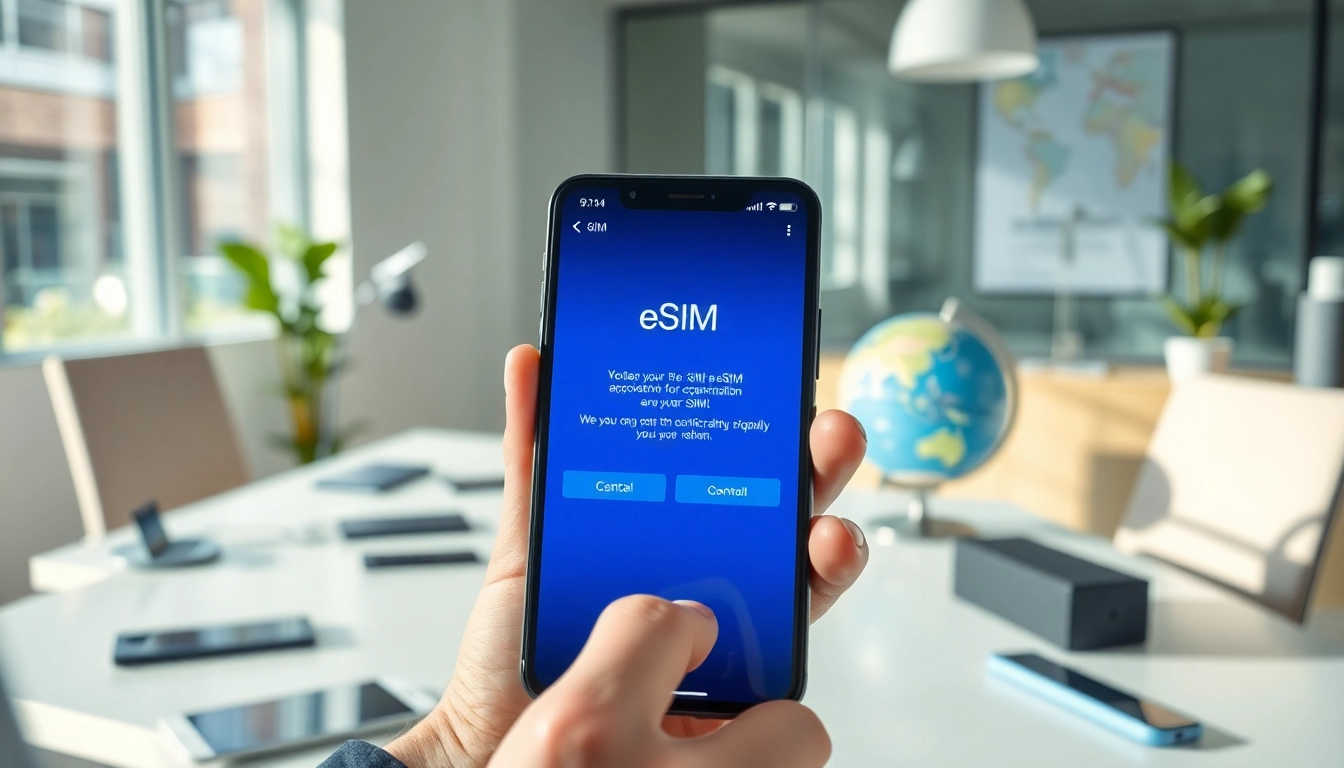
An eSIM, or embedded SIM, is a revolutionary step forward in mobile connectivity. Unlike traditional SIM cards that can be physically removed and replaced, an eSIM is integrated directly within devices and allows users to connect to mobile networks without the need for a physical card. Essentially, the eSIM functions as a digital SIM and is programmable with ease, making mobile service management far more flexible and efficient. With the growing reliance on mobile devices for both personal and professional use, the introduction of eSIM technology has transformed the landscape of connectivity, offering users the ability to switch carriers and manage multiple profiles without physical alterations to their devices. For comprehensive information about eSIM technology, resources like https://esimfo.com serve as useful guides.
How eSIM Differs from Traditional SIM Cards
The most significant distinction between eSIMs and traditional SIM cards lies in their physical structure and functionality. A traditional SIM card is a removable chip that must be inserted into the device, allowing for easy swapping between networks. In contrast, an eSIM is a soldered chip within the device that cannot be physically removed. This key difference enhances a user’s ability to switch networks remotely without visiting a store or waiting for a new SIM card in the mail. Moreover, eSIMs can store multiple carrier profiles simultaneously—making it simple for travelers to switch between local and international providers on the go, further enhancing user convenience.
Benefits of Using eSIM
Adopting eSIM technology presents numerous advantages:
- Seamless Network Switching: Users can switch carriers without the hassle of acquiring a new SIM card.
- Space Efficiency: With no need for a SIM card slot, device manufacturers can optimize the internal layout for better battery life or additional features.
- Enhanced Security: Since eSIMs are embedded within the device, they are less prone to physical damage and theft than traditional SIM cards.
- Multi-profile Capability: Users can store multiple profiles on a single eSIM, making it easier to manage personal and business lines or to switch plans when traveling internationally.
- Streamlined Activation: The process of activating a mobile plan becomes quicker and easier without needing a physical card to be inserted.
Getting Started with eSIM
Compatible Devices for eSIM
As eSIM technology continues to gain momentum, numerous devices now support it, including the latest models of smartphones, tablets, smartwatches, and laptops. Major brands typically include eSIM support in their high-end devices:
- Smartphones: Most flagship models from leading brands include eSIM capabilities.
- Tablets: Selected tablets, especially those geared towards connectivity, such as certain models of iPads, support eSIM.
- Smartwatches: Many recent smartwatches also feature eSIM technology, allowing for independent cellular connectivity.
- Laptops: Some laptops are designed with eSIM, enabling connectivity without relying solely on Wi-Fi.
To verify if your device supports eSIM, it's advisable to check the manufacturer's specifications or consult the product documentation.
Step-by-Step Guide to Activating eSIM
Activating an eSIM can vary slightly depending on the device and carrier, but the following steps provide a general guideline:
- Check Device Compatibility: Ensure your device supports eSIM technology.
- Select a Plan: Choose a mobile plan offered by carriers that support eSIM activation.
- Obtain the eSIM Activation Information: This often comes as a QR code or activation code that your carrier should provide.
- Open the Device Settings: Navigate to your mobile network settings where you can add a mobile plan.
- Scan the QR Code: Use your device’s camera to scan the QR code or enter the activation code manually as instructed.
- Follow On-Screen Instructions: Complete the activation process as prompted.
Once the activation is complete, your eSIM will be ready to use, subject to the selected carrier's terms.
Common Troubleshooting Tips
Even with effortless technology, users may still experience issues when activating or managing their eSIM. Here are some common troubleshooting tips:
- Verify Compatibility: Double-check that your device supports eSIM and that the carrier plans align with your device.
- Check Network Settings: Ensure your mobile network settings are correctly configured for your eSIM profile.
- Restart the Device: A simple restart may solve many connectivity issues.
- Contact Customer Support: If problems persist, contact your carrier's technical support for further assistance.
eSIM for International Travel
How eSIM Facilitates Global Connectivity
For frequent travelers, eSIM technology represents a game-changer. Traditionally, switching SIM cards when crossing borders was a tedious process involving physical swaps and potential high roaming fees. With eSIM, travelers can instantly switch to local carriers simply by selecting appropriate profiles from their device settings, providing immediate connectivity with potentially far lower data costs. This proximity to local networks enhances not only the reliability of connections but also internet speeds, allowing users to maintain seamless communication and service access during overseas trips.
Choosing the Right eSIM Plan for Travel
When selecting an eSIM plan for international travel, consider the following factors:
- Destination: Ensure that the eSIM plan covers your intended travel locations.
- Data Requirements: Analyze your data consumption habits to select a plan that aligns with your needs without overspending.
- Duration of Stay: Choose a plan that fits your travel duration; some providers offer temporary plans ideal for short trips.
- Carrier Reputation: Research reviews on network reliability, especially in the destination countries.
By considering these aspects, travelers can make informed choices that save money and enhance the travel experience.
Managing Multiple eSIM Profiles
One of the remarkable advantages of eSIM technology is the ability to store multiple profiles. This functionality is particularly beneficial for those managing personal and business lines or frequent travelers needing access to various carrier profiles. Here are tips for managing these profiles effectively:
- Label Profiles Clearly: Give distinct names to each profile to eliminate confusion when switching networks.
- Disable Unused Profiles: If you’re not using certain profiles, disable them to streamline connectivity options.
- Monitor Data Usage: Keep track of data consumption for each profile to manage costs and prevent overages.
- Regularly Update Profiles: Ensure that the information on each profile is current and reflects your ongoing service needs.
Security Considerations with eSIM
Understanding eSIM Security Features
With eSIM technology gaining traction, security is of utmost importance. eSIMs offer advanced security features that benefit users:
- Remote Provisioning: eSIMs can be provisioned remotely, minimizing the risk associated with physical SIM swaps.
- Encryption: Data stored on eSIMs is often encrypted, which helps protect sensitive information.
- Real-time Monitoring: Many service providers offer tools for users to monitor their data and identify unauthorized access promptly.
These features contribute to a secure environment for connectivity, guarding against potential threats.
Best Practices for Safeguarding Your eSIM
To further protect your eSIM, consider adopting these best practices:
- Use Strong Authentication: Always enable two-factor authentication with your carrier to enhance account security.
- Stay Updated: Keep your operating system and applications updated to protect against vulnerabilities.
- Beware of Phishing Attacks: Be cautious of unsolicited communications purporting to be from your carrier, which may try to extract personal information.
- Monitor Account Activity: Regularly check your account statements for any unauthorized transactions or unusual activity.
What to Do If Your eSIM Is Compromised
If you suspect that your eSIM has been compromised, taking immediate action is critical:
- Contact Your Carrier: Immediately inform your mobile service provider about the situation for expert assistance.
- Disable the eSIM Profile: Use your device settings to turn off the affected profile to minimize potential misuse.
- Reset Device Settings: As a precaution, consider resetting network settings on your device to eliminate traces of unauthorized access.
- Monitor Your Financials: Keep a close watch on financial accounts for any unusual activity, especially if personal data may have been compromised.
Future of eSIM Technology
Trends in eSIM Development
The future of eSIM technology appears bright with several emerging trends. Increased adoption by manufacturers, widespread implementation across devices, and innovative services are driving growth. As 5G technology continues to expand, eSIMs are expected to become even more prevalent, supporting various applications in automative, Internet of Things (IoT), and wearables, thereby enhancing connectivity experiences on an unprecedented scale.
Potential Challenges Ahead
However, challenges remain that could impact the evolution and acceptance of eSIM technology:
- Standardization: The lack of uniform standards across different networks could hinder interoperability between devices and carriers.
- User Awareness: The level of understanding and familiarity of consumers with eSIM technology is still relatively low, affecting adoption rates.
- Security Concerns: As with any digital technology, evolving security threats must be met with robust solutions to protect user data and privacy.
The Role of eSIM in Smart Devices
As smart devices proliferate, eSIM technology will play a pivotal role in ensuring seamless connectivity. From smart appliances to wearables, eSIMs will provide a reliable and efficient means of connecting various devices to mobile networks. This integration will facilitate the growth of smart ecosystems, enabling features like remote access, real-time monitoring, and automated control of devices—all while simplifying user experiences. The adaptability and simplicity of eSIM technology solidify its place in the future landscape of device connectivity.