Understanding the Importance of Noise Assessment Survey
In today's rapidly evolving industrial landscape, understanding the sound environment has never been more crucial. A noise assessment survey serves as a vital tool in not only identifying sources of noise but also in assessing its impact on health, safety, and productivity. This comprehensive process is central for organizations striving to create safe and compliant work environments. This article will delve into the importance of conducting noise assessment surveys, the different types available, best practices for conducting them, and how to analyze the resulting data to implement effective control measures.
The Impact of Noise on Health and Safety
Noise pollution is an often-overlooked aspect of workplace safety and public health. Persistent exposure to high noise levels can cause various health issues, including hearing loss, increased stress levels, and cardiovascular diseases. The World Health Organization (WHO) highlights that noise not only disrupts communication but can also exacerbate mental health issues.
In workplace settings, excessive noise can lead to decreased productivity as employees struggle to concentrate amidst distracting sounds. Implementing a noise assessment survey can provide insight into noise levels and their sources, empower organizations to mitigate risks effectively, and enhance overall workplace safety and well-being.
Regulatory Requirements for Noise Assessment Survey
Government regulations play a fundamental role in enforcing noise control measures. Organizations must comply with these regulations to avoid penalties and ensure the safety of their employees. For instance, the Occupational Safety and Health Administration (OSHA) has set permissible exposure limits for noise that dictate that workers should not be exposed to an average noise level over 90 decibels (dBA) for an 8-hour shift without protective measures.
Regular noise assessments not only aid organizations in complying with these regulations but also demonstrate a commitment to employee safety. These surveys can form the backbone of a company’s health and safety strategy, helping to identify areas where compliance improvements are necessary.
Common Noise Sources in Various Industries
Different industries face unique challenges related to noise exposure. For instance, construction sites often involve heavy machinery, tools, and equipment, producing high noise levels that can easily surpass safe thresholds. Manufacturing facilities may have continuous machinery operations contributing to ambient noise levels, while the transportation sector deals with noise from vehicles and machinery.
Additionally, office environments can experience noise pollution from various sources, such as open-office designs, HVAC systems, and electronic devices. Identifying these critical noise sources through noise assessment surveys is essential in determining the appropriate actions to mitigate the impact on health and safety.
Types of Noise Assessment Surveys
Short-term and Long-term Noise Measurements
Noise assessment surveys can be classified into short-term and long-term measurements, each serving distinct purposes. Short-term noise measurements, typically lasting from a few hours to several days, are ideal for evaluating specific interventions or temporary noise sources, such as construction activities. They allow organizations to gain quick insights into noise levels and make immediate decisions on necessary actions.
Conversely, long-term noise measurements involve continuous monitoring over extended periods, typically weeks or months. This approach provides a comprehensive overview of noise patterns, helping organizations understand varying environments and employee exposures in real-world conditions. Data collected can identify chronic noise exposure trends and inform better long-term noise management strategies.
Environmental Noise Assessment Procedures
Environmental noise assessments are critical for understanding noise pollution within a broader context, often considering community impact. These surveys evaluate the effects of noise generated by industrial activities, transportation systems, and other urban developments on surrounding areas.
Conducting environmental noise assessment surveys typically involves a combination of baseline measurements and impact evaluations. As part of this process, it is essential to establish noise contours, providing a visual representation of sound spread across an area. By engaging with community stakeholders and conducting thorough assessments, organizations can devise strategies to minimize their noise footprint and contribute positively to environmental sustainability.
Occupational Noise Surveys: What to Expect
Occupational noise surveys play a pivotal role in safeguarding employee health and complying with regulatory standards. The primary objective is to measure noise exposure levels in the workplace, identifying risk zones and evaluating the effectiveness of existing control measures.
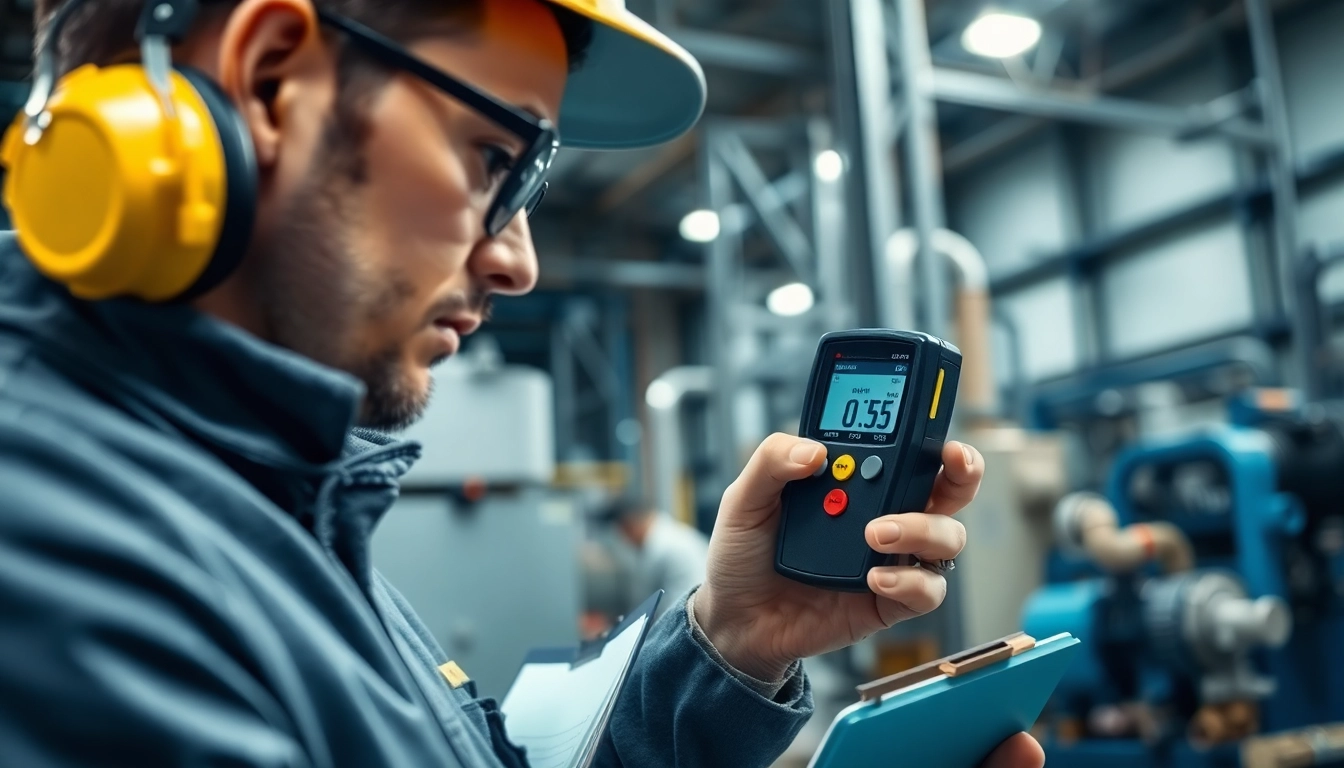
Typically, these surveys involve three key stages: pre-survey planning, in-situ measurements, and data analysis. During the pre-survey stage, organizations collaborate with experts to define objectives, establish measurement locations, and determine the necessary equipment. The in-situ measurements involve the use of sound level meters or dosimeters to capture noise data across various tasks and time frames. Finally, data analysis synthesizes the information collected, allowing for effective communication of findings and initiation of remediation efforts where necessary.
Best Practices for Conducting a Noise Assessment Survey
Preparation and Setup for Effective Surveys
Successful noise assessment surveys rely heavily on thorough preparation and proper setup. Prior to conducting a survey, teams should communicate clearly with relevant stakeholders and ensure all equipment is calibrated and functioning correctly. An effective survey plan will outline objectives, measurement protocols, and a timeline to streamline the process.
When it comes to location setup, strategic placement of measuring equipment is key. Noise measurement devices should be positioned in areas where employees are most likely to be exposed to excessive noise, such as near machinery or along busy corridors. It's also important to consider environmental conditions that may impact measurements, including ambient noise, weather, and time of day.
Utilizing Advanced Technology in Noise Measurement
The advent of technology has significantly enhanced the accuracy and efficiency of noise measurement. Today's noise assessment surveys often utilize advanced sound level meters and dosimeters that provide real-time monitoring and data analytics. These devices can gather a wealth of information, including peak noise levels, average levels, and duration of noise exposure, which are invaluable for comprehensive analysis.
Moreover, software tools have emerged that facilitate the seamless management of noise data, allowing organizations to visualize trends, share reports, and make data-driven decisions swiftly. Adopting such innovative technologies leads to more accurate, detailed, and actionable insights that drive effective changes in noise management.
Data Collection Techniques and Tools
Data collection is the backbone of any noise assessment survey. To obtain reliable results, organizations should employ various techniques and tools that complement each other. In addition to the aforementioned sound level meters and dosimeters, acoustic modeling software can simulate how sound travels in a given environment, aiding in predictive analysis for future expansions or modifications.
Educational sessions for employees about proper data collection techniques can also yield more accurate results, particularly concerning self-reported data about perceived noise levels and exposure times. By incorporating both subjective assessments and objective measurements, organizations can develop a well-rounded understanding of their noise environment.
Analyzing Noise Assessment Survey Data
Interpreting Results and Identifying Noise Hotspots
Once data has been collected, the next critical step is analysis. Interpreting survey results involves examining noise levels in relation to established thresholds and regulations. This process typically involves identifying 'hotspots'—areas where noise levels exceed permissible limits and pose potential health risks.
Using data visualization techniques, such as mapping software, can help organizations pinpoint these hotspots easily and understand their geographic context. This visualization brings awareness to areas necessitating immediate intervention and assists in prioritizing resources effectively.
Reporting Techniques for Clear Communication
Effectively communicating survey findings is essential for driving action within an organization. Reports should be comprehensive yet concise, focusing on the implications of the findings. Clear, straightforward language should replace technical jargon where possible to ensure the information is accessible to all stakeholders, including management, employees, and external partners.
Incorporating visual aids such as graphs and heat maps can enhance understanding and engagement with the findings. An important aspect of reporting is to outline actionable recommendations based on the analysis, ensuring that stakeholders know the next steps required to mitigate noise risk.
Actionable Recommendations Based on Findings
The ultimate goal of a noise assessment survey is to implement practical recommendations to mitigate excessive noise exposure. These recommendations can vary widely, depending on the findings and specific environments. Common strategies include relocating noisy machinery, implementing engineering controls such as sound insulation or barriers, scheduling noisy processes during off-peak hours, and investing in personal protective equipment for employees.
Moreover, fostering a culture of safety within the organization—by involving employees in noise management strategies, encouraging reporting of noise issues, and providing ongoing training—is fundamental to achieving long-term success in noise reduction efforts.
Implementing Control Measures Post-Survey
Engineering Controls for Noise Reduction
Following the implementation of findings from noise assessment surveys, engineering controls offer substantial noise reduction potential. These controls could involve modifications to existing machinery, installation of noise barriers, or soundproofing rooms that house particularly noisy processes or equipment.
Customization of existing operational processes can also lead to noise reduction. For example, routine maintenance may help equipment run more quietly, or changing to less noisy machinery can significantly decrease decibel levels in a facility.
Administrative Measures and Employee Training
In addition to engineering controls, administrative measures play a crucial role in managing workplace noise. Implementing standard operating procedures that minimize noise exposure, such as rotating staff through noisy areas, can significantly reduce overall exposure among employees.
Training employees to understand the importance of noise control, the potential health risks associated with excessive noise, and the specific measures in place to protect them is equally vital. An educated workforce is better equipped to adhere to safety protocols and actively contribute to noise management efforts.
Continuous Monitoring and Assessment Strategies
Noise management doesn't end after initial assessments and control implementations. Continuous monitoring is necessary to ensure that noise levels remain within acceptable limits and to evaluate the effectiveness of noise reduction measures over time. Setting up periodic noise assessments allows organizations to adapt to changes in operations, equipment, or personnel that may influence noise exposure.
Additionally, engaging employees in ongoing dialogue about workplace noise can generate valuable feedback that informs future noise management strategies. Regular reviews of policies and procedures should be established to adapt to advancements in technology and changes in regulations.