
Mastering the Craft: Essential Skills Every Carpenter Should Have
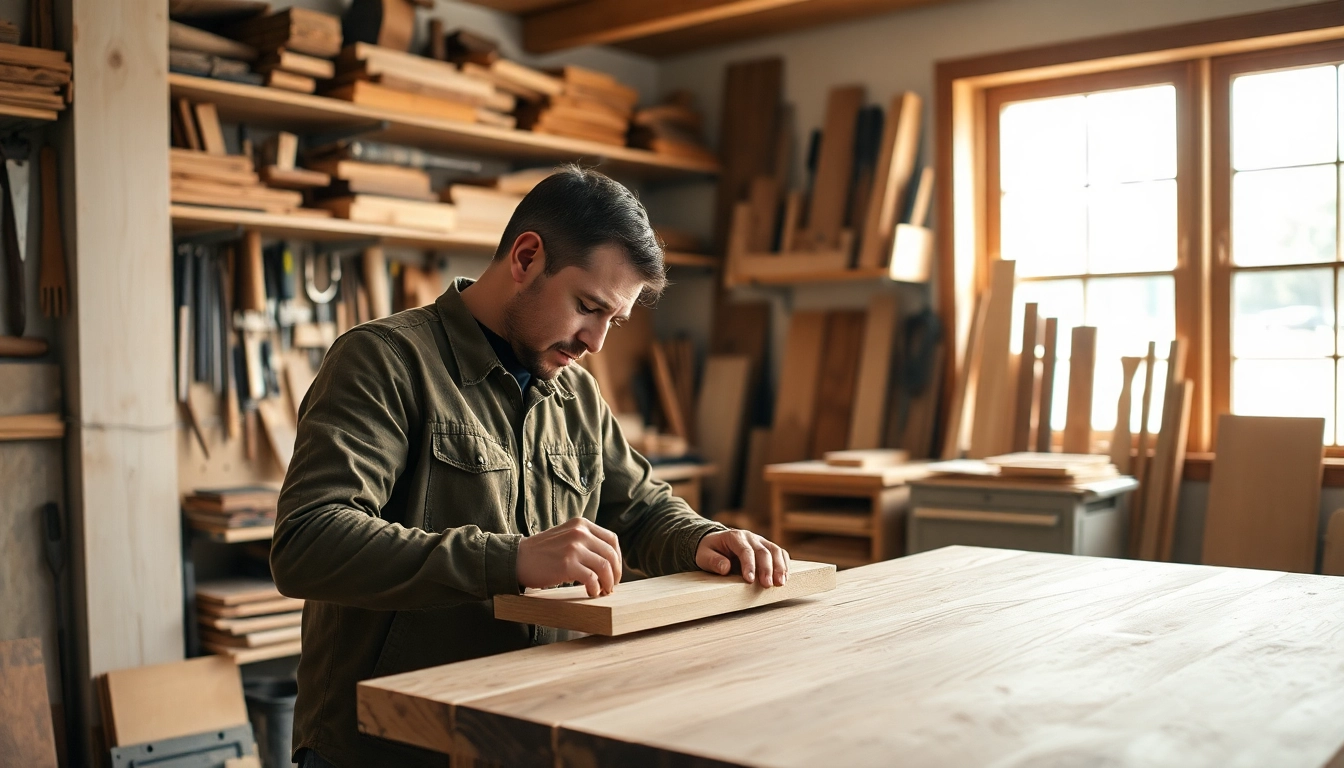
Understanding the Carpenter’s Role in Construction
What is a Carpenter?
A carpenter is a skilled tradesperson who specializes in working with wood and other building materials to create and repair structures. Carpenters play a crucial role in the construction industry, where they are involved in a wide range of tasks from framing houses and installing cabinets to building furniture and crafting intricate wood designs. Their craftsmanship and attention to detail can significantly influence the durability and aesthetics of construction projects.
Importance of Carpenters in the Building Industry
Carpenters are vital to the building industry for several reasons. They are responsible for implementing designs created by architects and designers, translating blueprints into actual structures. Their work ensures that buildings are not only functional but also structurally sound and aesthetically pleasing. Carpenters contribute to various construction projects, including residential homes, commercial buildings, bridges, and more complex wooden structures. By providing skilled labor, carpenters help maintain quality pathways for construction, which ultimately leads to safer and more reliable environments for occupants.
Types of Carpenters and Their Specializations
There are different types of carpenters, each specializing in specific areas of woodwork. Understanding these specializations can help clients choose the right professional for their projects:
- Rough Carpenters: Typically focus on framing, flooring, roofing, and basic structural components.
- Finish Carpenters: Specialize in the aesthetic details, including moldings, trims, and cabinetry.
- Formwork Carpenters: Work with concrete, creating forms to shape concrete for structures like bridges and foundations.
- Cabinet Makers: Design and build custom cabinets and furniture, often with a focus on intricate details and high-quality finishes.
- Furniture Carpenters: Focus exclusively on crafting furniture, often combining technical skills with artistic design.
Key Tools and Materials for Every Carpenter
Essential Hand Tools for Carpenters
Hand tools are fundamental to every carpenter’s toolkit. Mastering their use enables carpenters to perform precise and detailed work effectively. Key hand tools include:
- Hammers: Essential for driving nails and assembling structures.
- Saws: Both hand saws and coping saws for various cutting techniques.
- Chisels: Used for shaping wood and creating joints.
- Squares: Crucial for ensuring accurate measurements and angles.
- Tape Measure: An essential tool for precise measuring of materials.
Power Tools Every Carpenter Should Use
While hand tools are invaluable, power tools have revolutionized carpentry by enhancing efficiency and precision. Important power tools include:
- Table Saw: An essential tool for making long, straight cuts swiftly and accurately.
- Power Drill: Used for drilling holes and driving screws, greatly enhancing speed and efficiency.
- Compound Miter Saw: Ideal for making precise crosscuts and angled cuts in trim work.
- Router: Used for hollowing out an area in the wood, essential for decorative edges and joints.
- Circular Saw: A versatile tool for making straight cuts in various materials.
Choosing the Right Wood and Materials
Understanding various types of wood and other materials is critical for carpenters. Different applications require specific types of lumber, which can influence the project’s longevity and appearance.
- Softwoods: Such as pine and cedar are commonly used for structural components and outdoor projects.
- Hardwoods: Include oak, maple, and cherry, preferred for interior furnishings due to their durability and aesthetics.
- Engineered Wood: Like plywood and MDF, offers consistent quality, making it ideal for cabinetry and furniture.
Basic Techniques Every Carpenter Needs to Master
Measuring and Cutting Techniques
Accurate measuring and cutting are foundational skills every carpenter must excel at. Techniques include:
- Utilizing the tape measure accurately by understanding conversion from inches to centimeters correctly.
- Marking with a pencil allows for precision when cutting.
- Learning to use different saws for the appropriate types of cuts is vital for producing quality work.
Joining Methods: Nails, Screws, and Adhesives
Understanding various joining methods is essential for creating sturdy and long-lasting structures.
- Nails: Fast and effective for quick construction, though they may loosen over time.
- Screws: Provide better holding power and are preferred for lingering stability.
- Wood Glue: Used in combination with mechanical fasteners for added strength in joints.
Essential Finishing Techniques for Carpenters
The finishing stage transforms a project from raw wood to a polished end product. Essential finishing techniques include:
- Sanding for a smooth surface, removing imperfections and preparing for finish.
- Staining to enhance wood’s natural beauty while providing a protective layer.
- Applying sealants and varnish to protect against moisture and wear.
Common Challenges Faced by Carpenters and Solutions
Dealing with Difficult Materials
Carpenters often encounter challenges with specific materials, such as warping or splitting wood. Solutions include:
- Storing wood in a climate-controlled environment to minimize moisture fluctuations.
- Choosing the right wood type for the project at hand, considering their inherent properties.
- Utilizing stabilizing techniques such as pressure treatments in high-humidity environments.
Time Management and Project Planning
Effective time management is key to a carpenter’s success, particularly when juggling multiple projects. To manage time efficiently:
- Creating detailed project blueprints and timelines helps prevent delays.
- Scheduling tasks in a way that prioritizes critical paths enables smoother workflows.
- Using digital planning tools helps to track progress and adjust timelines accordingly.
Safety Practices to Follow as a Carpenter
Maintaining safety on the job is paramount in carpentry. Essential practices include:
- Wearing appropriate personal protective equipment like gloves, goggles, and hard hats.
- Keeping work areas organized to reduce the risk of accidents.
- Ensuring all tools are well-maintained to prevent malfunctions and injuries.
Building a Successful Career as a Carpenter
Finding Apprenticeships and Job Opportunities
For aspiring carpenters, securing apprenticeships is a critical step. Routes to finding opportunities include:
- Networking within local construction organizations and unions.
- Searching online job boards explicitly targeting tradespeople.
- Attending industry-related events for hands-on opportunities and connections.
Continuous Learning and Skills Development
The field of carpentry is ever-evolving, with new technologies and techniques. To remain competitive, carpenters should:
- Enroll in relevant courses or workshops to learn new skills and techniques.
- Follow industry publications and online platforms for the latest trends and innovations.
- Participate in mentoring programs to enhance craft-related knowledge and skills.
Building a Portfolio to Showcase Your Work
Create a professional portfolio by documenting completed projects with high-quality photos and detailing the skills used. An effective portfolio should:
- Highlight a variety of completed projects to showcase versatility.
- Include detailed descriptions to articulate techniques, materials, and the design process.
- Feature client testimonials to build credibility and attract new business.
FAQs About Carpenters
What qualifications do I need to become a carpenter?
While formal education isn’t mandatory, completing high school and seeking apprenticeship programs form a solid foundation in carpentry.
How long does it take to become a carpenter?
Typically, it takes around 3-4 years of apprenticeship training to become a proficient carpenter, allowing for hands-on experience.
What safety gear do carpenters need?
Essential safety gear includes protective eyewear, gloves, ear protection, helmets, and footwear designed for construction work.
Can carpenters work independently or freelance?
Yes, many carpenters can start their businesses, providing services directly to clients, allowing for flexibility in work schedules.
What emerging trends affect carpentry today?
Current trends include sustainable building practices, smart home technologies, and the use of advanced materials, influencing carpentry methods.