
How to Clean a Loofah Naturally: Effective Tips for Hygiene and Care
Understanding the Importance of Cleaning a Loofah
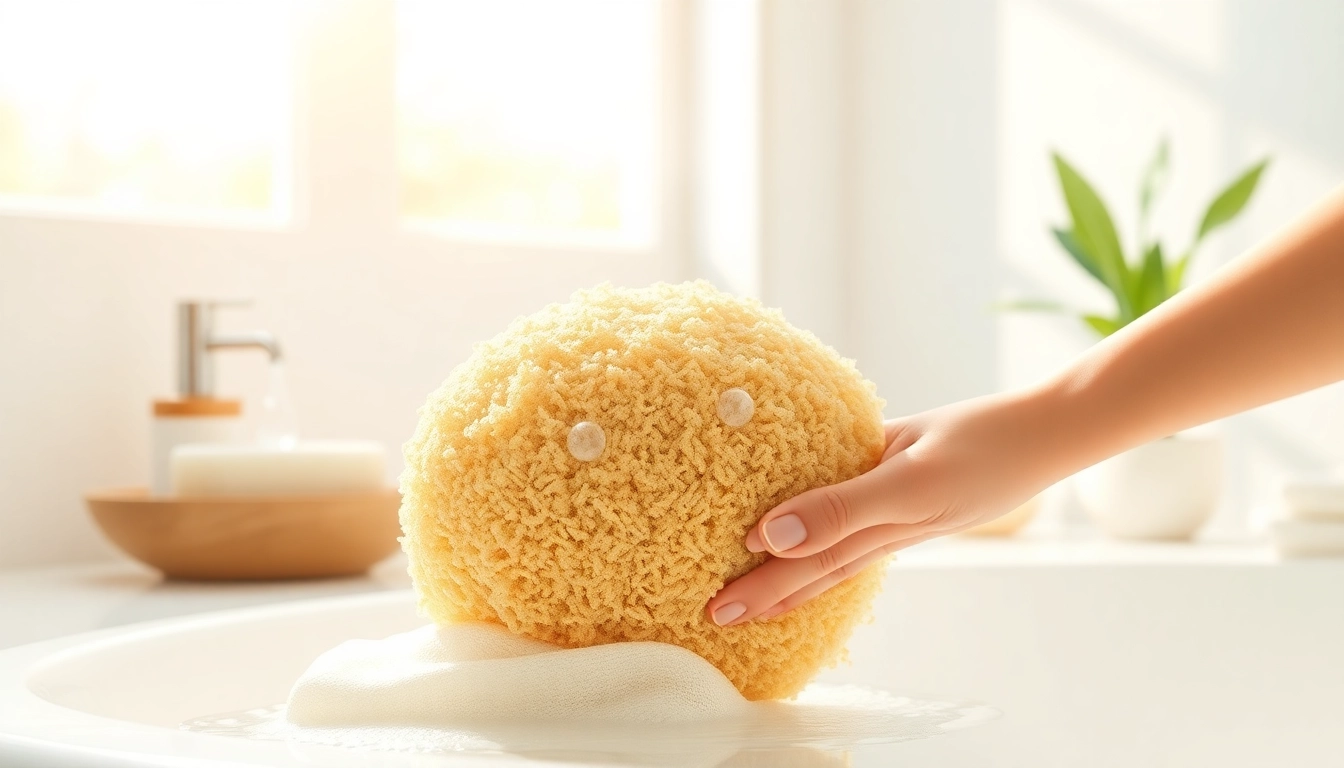
Loofahs are popular bathing tools used for exfoliating and cleaning the skin. However, just like any other personal hygiene item, they require regular maintenance to ensure optimal hygiene and longevity. Knowing how to clean a loofah effectively can protect your skin and maintain your overall health. This thorough guide will walk you through the essential reasons behind cleaning your loofah and the best practices to do so.
Why Regular Cleaning is Essential
Regular cleaning of your loofah has multiple benefits. Firstly, it eliminates dirt, oil, and soap residues that accumulate over time. These residues can attract bacteria and mold, compromising hygiene. Moreover, a clean loofah can help maintain the effectiveness of exfoliation, leaving your skin smoother and healthier. By prioritizing cleanliness, you’ll also extend the lifespan of the loofah itself.
Health Risks of Dirty Loofahs
A dirty loofah can harbor harmful bacteria and fungi, leading to a range of skin issues. Skin irritation, rashes, and even infections can occur when using a contaminated loofah. In particular, pathogens like Staphylococcus aureus (which can cause skin infections) and Escherichia coli (often linked to gastroenteritis) are notorious for breeding on unhygienic surfaces. Cleaning your loofah regularly helps mitigate these risks.
Signs Your Loofah Needs Cleaning
Knowing when it’s time to clean your loofah is crucial. Look out for these signs:
- Odor: A persistent, unpleasant smell indicates bacteria growth.
- Color Changes: Dark spots or changes in color can be signs of mold.
- Disintegration: If your loofah starts to break down or shows fraying, it’s time for a good scrub or replacement.
- Texture Changes: A loss of firmness or a mushy feel suggests a build-up of dirt and bacteria.
How to Clean a Loofah: Step-by-Step Guide
Cleaning your loofah can be straightforward if you follow the right steps. Below are detailed methods to achieve a clean and safe bathing tool.
Using Soap and Water
The simplest method to clean your loofah is with soap and water. Start by rinsing the loofah under warm water to dissolve soap and dirt. Next, apply a few drops of liquid soap or body wash directly onto the loofah and scrub it vigorously. Rinse thoroughly under running water until all soap is removed. Squeeze gently to let out excess water before hanging it to dry in a ventilated area.
Natural Cleaning Solutions
If you prefer using natural alternatives, consider creating a mixture of vinegar and baking soda. This combination is effective for disinfection. Mix one part vinegar with two parts water and soak the loofah for about 10 minutes. After soaking, sprinkle some baking soda over it and scrub gently. Rinse thoroughly and allow it to air dry.
Deep Cleaning Techniques
For loofahs that require a deeper clean, you may choose to boil them. Fill a pot with water, bring it to a boil, and then submerge the loofah for about 5 to 10 minutes. This method kills most bacteria and restores the loofah’s natural texture. Make sure to let it cool before handling it and ensure it dries completely afterward.
Best Practices for Maintaining Your Loofah
Maintaining your loofah’s cleanliness is not just about regular cleaning, but also involves proper care throughout its usage. Here are some best practices to abide by:
Storage Tips After Cleaning
After cleaning your loofah, ensure it is stored properly to minimize the risk of bacterial growth. Avoid storing it in damp or closed spaces. Instead, hang it in an open area where air circulation is good, and it can dry fully. A shower rack or a hook outside the shower is ideal for this purpose.
How Often Should You Clean a Loofah?
A good rule of thumb is to clean your loofah every one to two weeks, depending on use. If you use it daily or have sensitive skin, consider cleaning it more frequently or replacing it sooner. Pay attention to the signs discussed earlier to determine the right frequency for you.
Signs It’s Time to Replace Your Loofah
Even with regular cleaning, loofahs don’t last forever. Replace yours if it appears worn out or shows signs of mold that cleaning can’t eliminate. Typically, a natural loofah should be replaced every three to four weeks, while synthetic loofahs can last a bit longer but should still be monitored for wear and tear.
Common Mistakes to Avoid
Cleaning a loofah is essential, but there are frequent pitfalls that can undermine your efforts. Here are some common mistakes to avoid:
Using Harsh Chemicals
While it might be tempting to opt for bleach or strong disinfectants, these chemicals can break down natural fibers and leave harmful residues. Stick to gentle, skin-friendly cleaning agents, as harsh chemicals can endanger your skin’s health.
Neglecting to Rinse Properly
Leaving soap or cleaning solution residuals can promote mold growth and irritation. Be thorough in rinsing your loofah until there is no visible soap left, ensuring your skin stays safe and devoid of irritation.
Ignoring Drying Recommendations
Keeping your loofah damp is an open invitation for bacteria and mold. Make sure it’s hung up or placed in a way that allows it to breathe and dry completely after each use and cleaning to prolong its lifespan and maintain hygiene.
Frequently Asked Questions About Loofah Care
What’s the Best Way to Dry a Loofah?
The best way to dry a loofah is to hang it in a well-ventilated area away from direct moisture. This allows airflow and helps prevent mold growth.
Can I Clean My Loofah in the Washing Machine?
It is possible to wash a synthetic loofah in the machine. Use a gentle cycle with mild detergent. Natural loofahs might disintegrate, so it’s best to hand wash them.
How Long Should a Loofah Last?
A natural loofah typically lasts three to four weeks with regular cleaning, while synthetic versions may last longer. Replace them when they show signs of wear or contamination.
Can I Use Vinegar to Clean My Loofah?
Yes, vinegar is an excellent natural disinfectant. Soaking the loofah in a vinegar solution can effectively kill bacteria and odors.
Are Synthetic Loofahs Easier to Clean?
Synthetic loofahs can be easier to clean than natural ones, as they are often machine washable and less porous, reducing dirt and bacteria accumulation.