
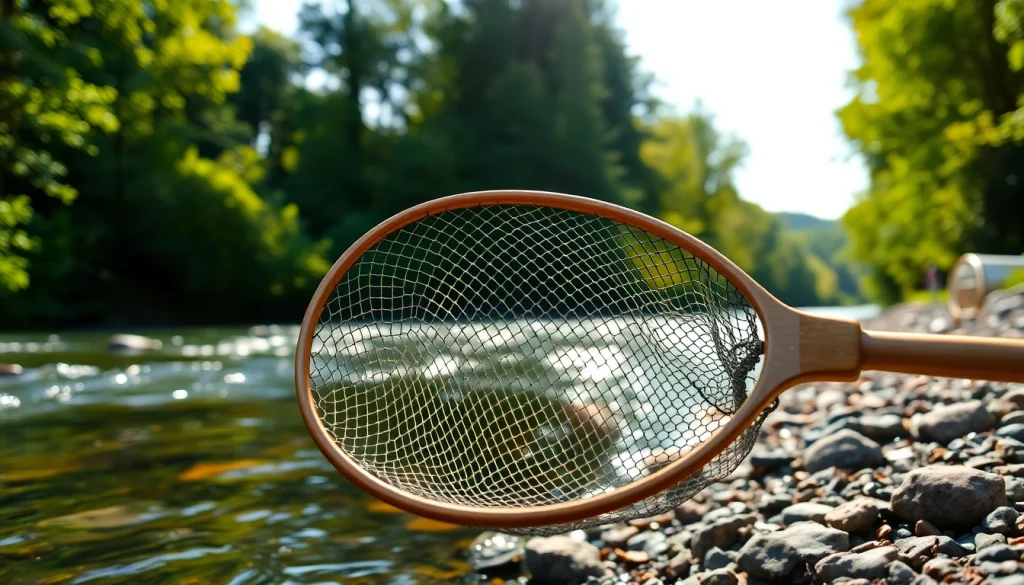
Understanding the Importance of a Fly Fishing Net
In the world of fly fishing, a well-chosen fly fishing net can be the difference between a rewarding catch and a fish slipping away. While many anglers focus on rods, reels, and flies, the crucial role of a quality net is often overlooked. The right net not only assists in landing fish but also helps in minimizing stress and injury to the fish. This makes it imperative for every angler, whether novice or veteran, to understand what makes a fly fishing net essential for their angling adventures. A good fly fishing net becomes a vital tool, reflecting the angler’s respect for wildlife and the environment. Let’s delve into why a good net matters, how to select the right size, and the materials that contribute to durability.
Why a Good Net Matters
Imagine spending hours casting your line, patiently waiting for the perfect strike, only to lose your catch at the last minute. A subpar net can result in this heartbreaking scenario. Not only does an appropriate net facilitate the landing of fish, but it also ensures that fish are released in a healthy condition. A well-constructed net helps prevent injuries, reducing the likelihood of fish mortality post-catch. Additionally, nets contribute to a more enjoyable experience by avoiding tangled lines and hasty landings.
Choosing the Right Size
When it comes to fly fishing nets, one size does not fit all. The size of the net should correlate not only to the type of fish you are targeting but also to the fishing environment. Generally, larger nets offer more space to safely land fish, while smaller nets can be more manageable and reduce strain on your arm during long days of fishing. When selecting a size, consider the type of water (stream, river, lake) you’ll be fishing in, as well as the average size of the fish species in those areas.
Materials and Durability
The material of a fly fishing net significantly affects its performance and longevity. Common materials include wood, aluminum, and plastic. Each material has its own pros and cons. Wooden nets provide a classic aesthetic and buoyancy but can be heavier and require more maintenance to prevent water damage. Aluminum nets are lightweight, robust, and resistant to corrosion, making them ideal for saltwater fishing. Plastic nets, while affordable, may not offer the same durability as wooden or aluminum options. Opting for quality materials ensures your net withstands the rigors of continuous use over the years.
Types of Fly Fishing Nets
Fly fishing nets come in various types and configurations, each designed for specific fishing needs and styles. Understanding the distinctions between different types can help you make an informed choice that enhances your fishing experience.
Handle Length Options
One of the first considerations in choosing a fly fishing net is handle length. Longer handles enable you to reach fish further away from the bank or boat. They are especially useful in larger bodies of water or when fishing from the shore. Conversely, shorter handles are easier to maneuver and can be more comfortable to use in tight spots, such as when fishing in a stream or overhanging vegetation. The right handle length allows for versatility in varying fishing environments.
Net Shapes and Their Uses
The shape of a fly fishing net can also influence your angling efficiency. The two most common shapes are hoop and rectangular nets. Hoop nets are round, providing ample space to easily scoop fish, making them ideal for wade fishing or situations where you need to lift fish vertically. Rectangular nets, on the other hand, offer a larger surface area and can sometimes be easier to manage for larger fish or specific species that are skittish or prone to jumping. Selecting the right shape can greatly enhance your catch rate.
Choosing Between Rubber and Mesh
Another vital consideration is the choice between rubber and mesh netting. Rubber nets are gentler on fish scales and fins, reducing the likelihood of injury, and they are less likely to tangle. However, they can be more expensive and slightly heavier. Traditional mesh nets, while more affordable, can potentially harm fish during handling and may become entangled in their fins. Understanding the advantages and disadvantages of each type can assist you in making the best choice for both fish well-being and effectiveness in fishing.
Best Practices for Using a Fly Fishing Net
Once you have chosen the perfect fly fishing net, learning the best practices for its use is essential for maximizing its benefits. Mastering proper handling techniques, safely landing fish, and ensuring maintenance can help prolong your net’s life and your fishing success.
Techniques for Proper Handling
Proper handling of a fly fishing net is crucial. Always keep the net in the water as you handle the fish; this prevents the fish from flopping around on dry land. Approach the fish gently and try to guide it towards the net without sudden movements that could spook it. It is advisable to use the net only when the fish is close to exhaustion to minimize stress. When you’re ready to land the fish, submerge the net slightly in the water and slide it under the fish, allowing it to swim in gently, which reduces the chance of injury.
How to Land Fish Safely
To land fish safely, it is essential to minimize the time the fish spends out of the water. Fish quickly begin to struggle for oxygen once removed from their natural habitat. With the net submerged, gently lift the fish from the water and keep it in the net as much as possible to allow it to recuperate. If you intend to release the fish, wet your hands to prevent the removal of their protective slime coating and avoid unnecessary harm. Your goal should always be to have the least amount of stress on the fish.
Maintenance Tips to Extend Longevity
The longevity of your fly fishing net can be greatly extended with proper maintenance. After each trip, rinse your net with fresh water to remove any salt, dirt, or debris, which can break down materials over time. Avoid leaving your net in direct sunlight for extended periods; UV rays can deteriorate the netting. If your net is wooden, use appropriate wood oils to maintain finish and prevent cracking. Small acts of care can keep your net in peak condition for years of fishing enjoyment.
Common Challenges and Solutions
Even with the best equipment, fly fishing can present its unique set of challenges. Understanding potential difficulties with your net and knowing how to address them will help you ensure a smooth fishing experience.
Dealing with Caught Fish
It’s common for fish to become tangled in nets or even lose hooks during the landing process. To remedy this, ensure you are using hooks designed for catch and release. Barbless hooks are particularly effective as they release more easily without excessive trauma to the fish. Practice your net skills regularly to improve your efficiency in landing fish swiftly and smoothly.
Avoiding Net Damage
Protecting your fly fishing net from damage involves careful handling and storage. Avoid stepping on the net while fishing, as this can cause rips and tears. Store your net properly to prevent bending or misaligning any parts. Utilizing a protective sleeve or net bag during transport can also help maintain its shape and functionality. Proper care practices will extend the life of your net considerably.
Choosing the Right Conditions
Lastly, knowing when to fish is just as important as how to net your catch. Weather conditions, tide patterns, and seasonal changes all can affect fishing success. Recognizing the best conditions for your target species will minimize frustration and improve productivity. Research and know the best times to fish, and adapt your strategies accordingly. The right combination of patience, timing, and technique will yield the best results.
Top Recommended Fly Fishing Nets
With an understanding of the importance of a fly fishing net and the various types available, it’s time to explore some top recommendations. Quality nets can vary widely in terms of features, price, and intended use. Here are some of the best options currently available:
High-End Picks for Serious Anglers
For those who are serious about their fly fishing, investing in a high-end net provides durability and enhanced features. Brands such as Brooks Fly Fishing or Fishpond offer nets crafted from high-quality aluminum combined with ergonomic designs for comfort. Look for nets that include built-in measuring tools and net protectors for added convenience.
Best Value for Casual Fishermen
Casual anglers need functionality without breaking the bank. Brands like Evergreen and NetAngler feature reliable nets with solid constructions at reasonable prices. These nets typically have lightweight designs suitable for easy transport, which is great for impromptu fishing trips.
Eco-Friendly Options on the Market
With growing environmental awareness, many companies are now producing eco-friendly fly fishing nets made from sustainable materials. Brands like Cofish focus on creating nets that not only serve angler needs but also reduce impact on the environment. These innovative nets are making strides in the industry by combining performance with sustainability.