
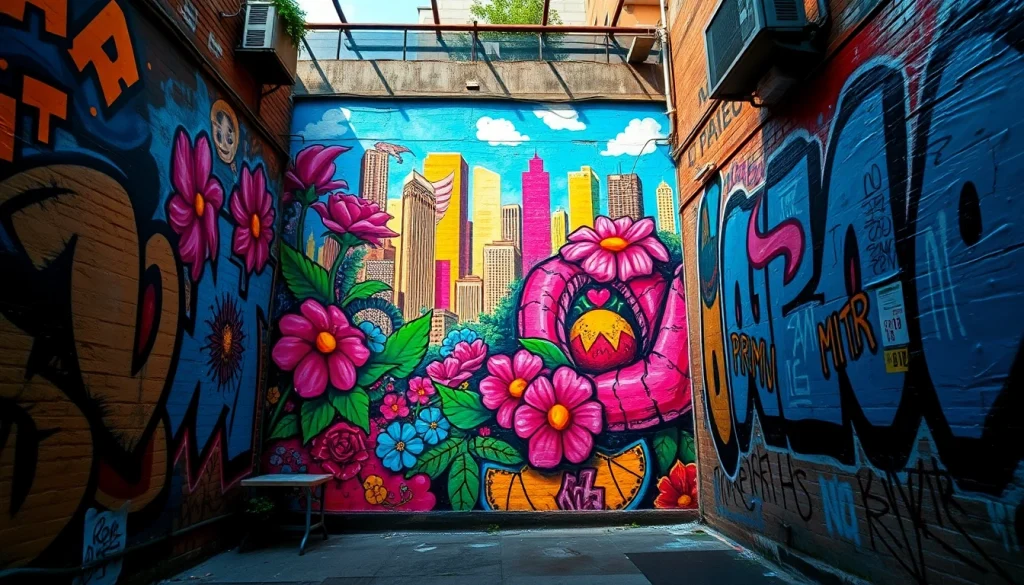
Understanding Graffiti Wall Art
What is Graffiti Wall Art?
Graffiti wall art is a vibrant and dynamic form of self-expression that fuses urban culture with artistic innovation. Originating in city streets, this art form involves painting, spray-painting, and even drawing to create visually striking pieces on walls and buildings. While traditional graffiti often carries connotations of vandalism, graffiti wall art has evolved into a respected genre, bridging the gap between street art and legitimate artistic expression. Artists use various techniques, from stencils and freehand to intricate murals, ensuring that each piece tells a unique story. Today, graffiti wall art enriches both public spaces and private homes alike, transforming bland walls into canvases of color and creativity.
The Cultural Significance of Graffiti
To truly appreciate graffiti wall art, one must delve into its cultural significance. Graffiti has long been a voice for the marginalized and a reflection of societal issues. Emerging from protest movements and urban environments, it embodies the spirit of rebellion, community, and the fight for representation. Each piece of graffiti carries the weight of its context, often addressing themes of identity, social justice, and political commentary. For many artists, the streets serve as both a canvas and a gallery, where their work engages passersby in meaningful dialogue. As graffiti wall art gains prominence in galleries and exhibitions, it challenges preconceived notions about art’s value and accessibility, bridging divides between art enthusiasts and everyday observers.
Different Styles of Graffiti Wall Art
The diversity of graffiti wall art styles showcases the incredible range of creativity within this medium. Here are some prominent styles:
- Tagging: The most basic form of graffiti, tagging involves writing one’s name or pseudonym in stylized lettering. This simple yet personal approach serves as a way to establish presence.
- Throw-ups: These are a step up from tagging and involve larger lettering often filled with color. Throw-ups are quicker to execute, making them popular for those wanting to make a statement swiftly.
- Pieces: Short for ‘masterpieces’, these complex murals showcase detailed designs, characters, and themes. They require more time and skill, often created with a combination of spray paint and brushes.
- Stencils: Utilizing cut-out designs, stencil graffiti allows for quick execution and precise imagery. Street artists like Banksy have popularized this style, using it to deliver poignant messages.
- Muralism: This style involves large-scale murals that can take days or weeks to complete. These artworks often express community narratives, historical events, or social messages, beyond just aesthetic appeal.
Choosing the Right Graffiti Wall Art for Your Space
Assessing Your Aesthetic Preferences
Choosing the right graffiti wall art for your space begins with understanding your aesthetic preferences. Consider the colors, themes, and styles that resonate with you. Are you attracted to bold, bright colors that convey energy? Or do you prefer more subdued tones that evoke calmness? Observing existing decor styles can help guide your selection; for instance, urban or industrial spaces may benefit from edgy, abstract pieces, while eclectic spaces might welcome more whimsical designs. Use platforms like Pinterest or Instagram to gather inspiration, paying attention to the art that catches your eye consistently.
Factors to Consider for Placement
Placement plays a crucial role in how graffiti wall art impacts your space. Consider the following factors:
- Wall Size: A large mural requires ample wall space to make an impact. Conversely, smaller pieces work well in tighter areas or as accents.
- Lighting: Natural and artificial lighting can greatly influence how art is perceived, affecting color vibrancy and visibility. Choose placements that highlight your chosen art piece.
- Room Function: The function of the room can dictate the type of art you select. For example, playful designs may be suitable for children’s rooms, while more sophisticated pieces might be better for home offices or living areas.
- Relationship with Other Elements: Assess how your graffiti wall art interacts with existing furniture and decor elements. Aim for harmony, ensuring that the artwork complements rather than competes with what’s there.
Creating a Focal Point with Graffiti Wall Art
Graffiti wall art can serve as a striking focal point, drawing attention and setting the tone of a space. To achieve this, consider positioning larger pieces on prominent walls or areas that naturally attract the eye, such as above a sofa or behind a reception desk. The surrounding decor should support the art without overwhelming it. Using neutral colors or minimalistic furnishings can allow the graffiti to stand out while still ensuring the area feels cohesive. By integrating lighting strategically, such as spotlights or backlighting, you can further emphasize your chosen piece, turning it into a captivating centerpiece of your space.
Integrating Graffiti Wall Art Into Interior Design
Pairing Graffiti with Furniture and Decor
Successfully integrating graffiti wall art into your interior design involves considering how it interacts with furniture and decorative elements. When choosing furniture, opt for styles that complement the spirit of the art—industrial furniture works well with edgy, urban pieces, while vintage or mid-century designs can contrast beautifully against a modern mural. Textiles, colors, and patterns in rugs, pillows, and curtains should draw from the colors in your graffiti wall art to create a unified aesthetic. Balancing the boldness of graffiti with softer textures and patterns can lead to a well-rounded and visually appealing atmosphere.
Using Color Theory for Balance
Color theory is essential in creating harmony within your space when incorporating graffiti wall art. Consider the color wheel: complementary colors can create dynamic contrasts, while analogous colors can offer a more cohesive look. For example, if your graffiti piece features vivid blues and greens, using similar shades in your decor can enhance its visual impact. Additionally, consider the psychology of colors—warmer hues can inject energy into a room, while cooler tones evoke serenity. Strategically choosing décor items based on these principles will help your selected graffiti piece come alive while also ensuring a balanced overall look of the space.
Enhancing Small Spaces with Graffiti Wall Art
For smaller spaces, graffiti wall art can be particularly transformative, adding personality and dimension. One effective strategy is to utilize artwork that draws the eye upward, such as vertical murals or elongated pieces, which can create an illusion of height. Incorporating mirrors alongside graffiti can amplify light and make the space feel larger. Furthermore, consider using smaller pieces in a gallery wall format, where multiple artworks create an engaging visual narrative without overwhelming the area. Utilizing light colors and keeping the design minimal can further help maintain an open feel, even when bold art is present.
Maintaining Your Graffiti Wall Art
Cleaning Techniques for Longevity
Regular maintenance is key to preserving the vibrancy and integrity of your graffiti wall art. Depending on the materials used, cleaning may vary. Begin by dusting the artwork gently with a soft cloth or a delicate brush to remove dirt and grime. If your piece allows for it, using a damp, non-abrasive sponge can help remove stubborn marks. For graffiti created with spray paint, avoid harsh chemicals that can discolor or damage the surface. Instead, consider using natural cleaning solutions when necessary. Always test any cleaner on a small, inconspicuous area first to ensure it does not harm the artwork.
Protection from Environmental Damage
Environmental factors can significantly affect the longevity of graffiti wall art. Exposure to sunlight can fade colors, while humidity can cause deterioration. Protect your artwork by applying a protective sealant specifically designed for graffiti art, which creates a barrier against UV rays and moisture. Additionally, positioning your graffiti wall art away from direct sunlight or using UV-filtering window treatments can help preserve those vibrant colors. In high-traffic areas, consider using acrylic barriers or protective glass frames to reduce the risk of scratches or scuffs, ensuring your art remains pristine over time.
Restoration Tips for Faded Pieces
Restoration can breathe new life into faded graffiti wall art. Depending on the extent of the fading, techniques could include carefully retouching the artwork with similar colors or even reworking certain sections to maintain its original message. Engaging with a professional experienced in street art restoration should be considered for more significant repairs, ensuring the authenticity of the piece is respected. Documenting the original artwork through photography can help maintain its legacy, allowing you to compare before and after restoration. Regular check-ups and a proactive approach to maintenance will also help in preserving the artwork’s quality over time.
Where to Find Quality Graffiti Wall Art
Online Marketplaces for Artists
The digital age has transformed how we discover and procure art, including graffiti wall art. Numerous online marketplaces showcase the work of talented street artists, connecting them with potential buyers. Platforms dedicated to art sales emphasize unique pieces, often allowing filters for styles, sizes, and price points. This accessibility expands the reach of artists, while art lovers can easily navigate and find authentic pieces that resonate. When purchasing online, make sure to check for artist credibility, reviews, and return policies to ensure a satisfactory experience.
Local Galleries and Exhibitions
Local galleries and exhibitions offer an excellent venue to discover graffiti wall art firsthand. Many cities host urban art festivals, pop-up exhibitions, and street art tours, allowing viewers to engage directly with artists and their work. Visiting local galleries enables you to experience the artwork’s texture and scale, something digital platforms can’t replicate. Moreover, attending these events fosters a deeper connection to the art form, with opportunities to learn about the artists’ inspirations and processes. Building relationships with local artists can also lead to unique commission opportunities, potentially giving your space a personalized touch.
Commissioning Custom Graffiti Wall Art
If you’re looking for a one-of-a-kind piece that perfectly captures your vision, commissioning custom graffiti wall art is an excellent option. Reaching out to artists for personalized work allows you to incorporate specific themes, color palettes, or messages that resonate with your space. The process of collaboration can be rewarding, as you engage in discussions about your ideas, preferences, and the intended atmosphere. This process not only results in artwork that feels tailored to your environment but also fosters a deeper appreciation for the artist’s skill and dedication. Be prepared to communicate openly and provide feedback, as this collaborative effort ensures a final piece that embodies your unique style.