
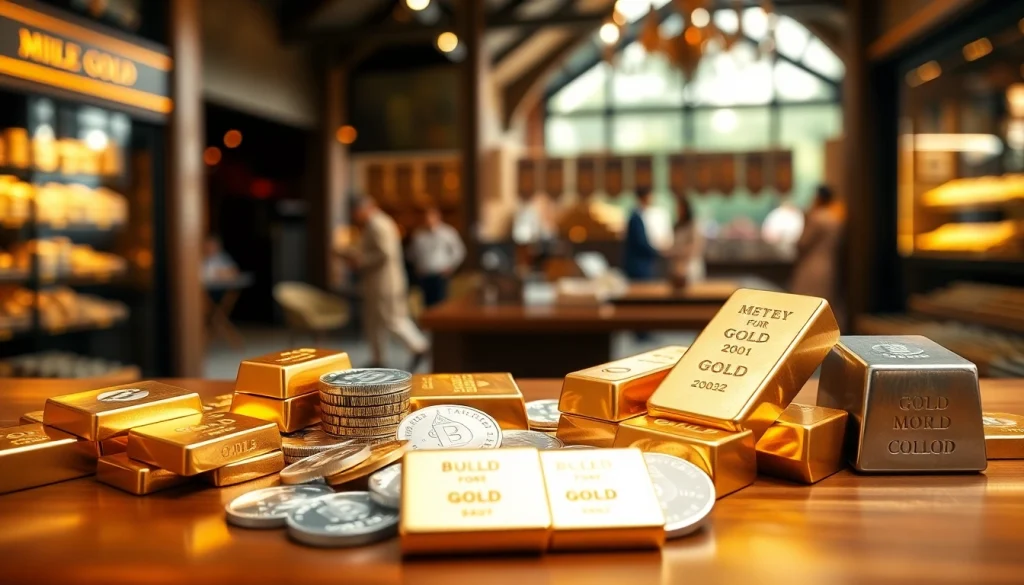
What Are Precious Metals?
Definition of Precious Metals
Precious metals are rare, naturally occurring metallic elements of high economic value, prized for their unique properties and uses. These metals, such as gold, silver, platinum, and palladium, have been integral to human culture for centuries, serving both as currency and as symbols of wealth. Their rarity and durability contribute to their ongoing value in various markets.
Types of Precious Metals
The four primary precious metals are:
- Gold: Often regarded as the most valuable of all precious metals, used in jewelry, electronics, and investment.
- Silver: Known for its industrial applications and investment value, silver’s liquidity makes it attractive to investors.
- Platinum: Rarer than gold, platinum is used in fine jewelry, catalytic converters, and various industrial applications.
- Palladium: Primarily used in automotive catalytic converters, palladium has seen a surge in popularity among investors due to its scarce supply.
Properties and Benefits
Each precious metal possesses distinctive properties:
- Corrosion Resistance: Precious metals like gold and platinum resist tarnishing, making them ideal for long-lasting applications.
- Conductivity: Silver is the best conductor of electricity, often used in electronics and solar panels.
- Durability: The robustness of these metals ensures they can withstand wear and tear, making them favorable for both decorative and functional uses.
- Market Stability: Historically, investments in precious metals have acted as a hedge against inflation and economic instability, preserving wealth over time.
The Market Dynamics of Precious Metals
Factors Influencing Prices
Understanding the forces that influence the prices of precious metals is crucial for investors. Key factors include:
- Supply and Demand: The availability of metals and industrial demand directly impact prices. For instance, new mining operations can increase supply, leading to potential price drops.
- Geopolitical Stability: Political tensions or crises can spur investor demand for safe-haven assets, often driving prices upward during unstable times.
- Economic Indicators: Interest rates, inflation data, and economic growth forecasts often affect precious metal prices as they influence investor confidence.
- Currency Strength: The US dollar’s strength inversely affects precious metal prices; a weaker dollar usually results in higher prices for these metals.
Historical Market Trends
The market for precious metals is not static but influenced by historical trends and events. For instance, during periods of economic downturn, such as the global financial crisis of 2008, precious metals saw a significant price surge as investors flocked to safe-haven assets. Over several decades, the prices of gold have generally increased, attracting new generations of investors while exhibiting volatility due to market sentiment.
Current Market Overview
As of now, the precious metals market continues to exhibit dynamic behavior. Recent increases in inflation and ongoing global uncertainties have bolstered prices for gold and silver, while the automotive industry’s surge in palladium demand has created significant price pressures. Investors are closely monitoring interest rates and economic policies to gauge future price movements.
Investing in Precious Metals
Benefits of Investment
Investing in precious metals offers various benefits:
- Wealth Preservation: Precious metals are often viewed as a hedge against inflation and currency devaluation.
- Diversification: Including precious metals in an investment portfolio can reduce overall risk, as their prices often move independently of stock and bond markets.
- Liquidity: Precious metals can be quickly converted into cash or used in various transactions globally, ensuring easy access to funds when needed.
Investment Strategies
Investors can adopt several approaches to invest in precious metals:
- Physical Ownership: Purchasing bullion bars, coins, and jewelry can provide tangible assets, although storage and insurance considerations arise.
- Exchange-Traded Funds (ETFs): These funds allow investors to buy shares that represent ownership of the physical metals, providing liquidity and ease of trading.
- Mining Stocks: Investing in companies that mine precious metals can offer exposure to metal price fluctuations while potentially yielding dividends.
- Futures Contracts: These contracts enable investors to agree on a price to buy or sell metals in the future, allowing speculation on price movements.
Risks Associated with Precious Metals
While there are numerous benefits, investing in precious metals carries risks that investors should acknowledge:
- Price Volatility: Precious metal prices can experience significant fluctuations, leading to abrupt changes in portfolio value.
- Storage and Security Costs: Storing physical metals safely incurs costs, including insurance and potential security measures.
- Market Sentiment: Investor perceptions and behavior can substantially affect metal prices, leading to unpredictable market conditions.
How to Buy Precious Metals
Finding Reliable Dealers
To invest in precious metals successfully, finding trustworthy dealers is crucial. Here are steps to consider:
- Research: Look for dealers with positive reviews and a track record in the industry. Transparency regarding fees and practices is vital.
- Authorized Dealers: Seek dealers recognized by reputable organizations, ensuring they adhere to industry standards and regulations.
- Compare Prices: Price comparison between multiple dealers offers insights into fair market pricing for specific metals.
Physical vs. Digital Investments
Investors need to decide between two primary types of investments:
- Physical Investments: Holding physical metals provides a sense of security but requires safe storage.
- Digital Investments: Investing in digital assets such as ETFs or certificates simplifies transactions and storage, offering easy access to your investment.
Understanding Insurance and Storage Options
When purchasing precious metals, consider insurance for physical holdings and options for safety:
- Home Insurance: Some home insurance policies can cover precious metals, but verify details and limits.
- Safe Deposit Boxes: Storing metals in a bank’s safe deposit box provides protection from theft.
- Specialized Vaulting Services: Many services offer vaults specifically designed for precious metals, adding layers of security.
Frequently Asked Questions About Precious Metals
What are the most valuable precious metals?
The most valuable precious metals include gold, platinum, palladium, and rhodium, with gold often regarded as the most prestigious due to its rarity and desirability.
How do I start investing in precious metals?
Begin by researching precious metals and reliable dealers. Decide whether you want physical metals or digital investments, then set a budget to invest wisely.
Are there risks in investing in precious metals?
Yes, risks include price volatility, costs related to storage, and market sentiment fluctuations, which can impact the value of your investment.
Why do precious metal prices fluctuate?
Prices fluctuate due to supply and demand dynamics, geopolitical events, economic conditions, currency strengths, and global market trends.
Can precious metals be used for diversification?
Absolutely! Including precious metals in a portfolio can reduce risks compared to traditional investments, as they often behave differently in market changes.